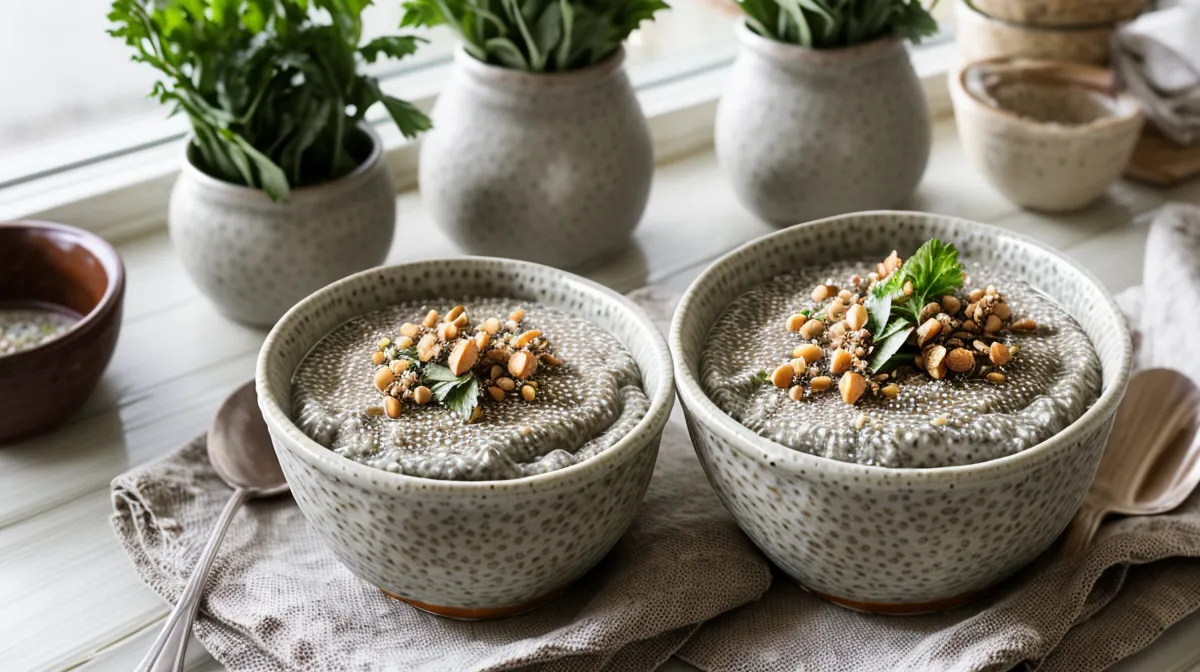
I was standing in my kitchen on one rainy Tuesday morning last February, staring at a carton of pasture-raised eggs like they were the enemy. I had been diagnosed as prediabetic about nine months ago, right after a routine wellness screening at the office. The irony of being an HR manager who helps run the corporate wellness program, only to fail my own blood test, was—and still is—thick enough to cut with a knife.
After my follow-up labs came back even worse than the first ones earlier last winter, I went into a full-blown panic. I spent weeks trying to eat 'perfectly,' which for me meant eggs. Scrambled, poached, boiled—if it came from a chicken, I ate it. But that morning in February, I hit a wall of visceral egg fatigue. I didn't want a yolk. I didn't want a white. I wanted a bagel. I wanted the soft, pillowy comfort of a forbidden Glycemic Index nightmare, and I almost cried right there over my granite countertops.
The Wellness Irony and the 'Healthy' Cereal Trap
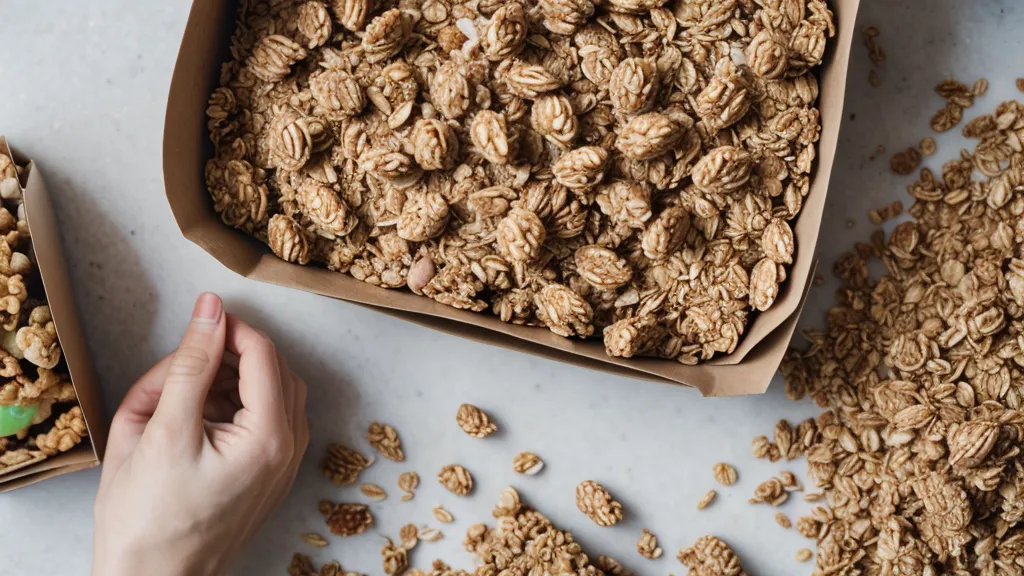
Look, when you first get the news that your metabolism is essentially on strike, you look for the easy exits. My first instinct, after the initial month of denial where I changed absolutely nothing, was to reach for 'healthy' boxed cereals. I’m talking about the ones with the sunset on the box and words like 'multigrain' and 'heart-healthy' plastered everywhere. I figured if it had fiber, I was safe.
I was so wrong. I remember one specific morning early last winter when I had a bowl of what I thought was a safe, low-sugar granola. An hour later, I was in the middle of a high-stakes performance review with a senior director. Suddenly, I felt it: the cold, shaky sweat that hits mid-morning during a performance review after I've accidentally spiked my sugar with 'healthy' instant oatmeal or cereal. My heart was racing, my hands were clammy, and I couldn't focus on a word she was saying. I was crashing, and I was crashing hard.
That was my wake-up call. I realized that the standard American breakfast is a minefield. Even the 'good' stuff is often loaded with hidden sugars or refined grains that send your glucose on a roller coaster. I had to turn my kitchen into a low-GI test lab, and that meant learning the hard math of what I was putting in my body. I’m not a dietitian or a health coach—I’m just a woman who realized the standard diet was slowly breaking my metabolism, and I had to fix it myself.
Understanding the Numbers: GI vs. GL
In my 'lab phase,' I started obsessing over the Glycemic Index. For those who haven't spent their Friday nights reading nutrition charts, the standard international classification for low-GI foods is a score of 55 or less on a scale of 100. To give you some perspective, the average Glycemic Index of a standard slice of commercial white bread is about 75. It’s basically a glucose rocket ship.
But here is the thing: I also learned about Glycemic Load (GL). While GI tells you how quickly a food raises your blood sugar, GL accounts for the portion size. It’s the difference between eating a tiny sliver of a high-GI watermelon and a giant bowl of it. This was a game-changer for me because it meant I didn't have to live in fear of every single carbohydrate; I just had to be smart about the chemistry of the bowl.
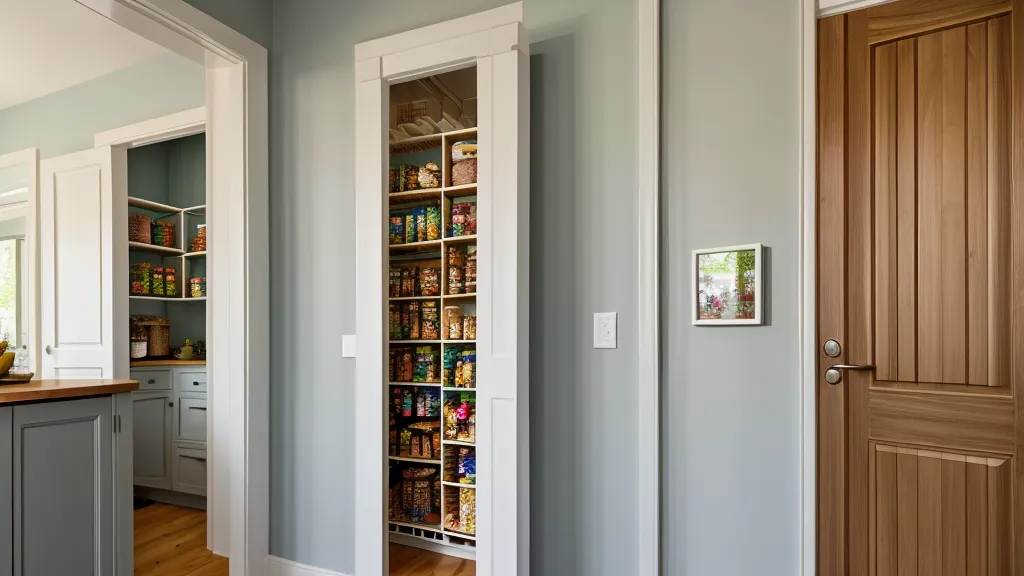
I started keeping a Glycemic Index of Common Foods: Reference Chart taped to the inside of my pantry. It was my roadmap through the dark forest of breakfast options. If I was going to ditch eggs, I needed to find things that hit that sub-55 threshold but still felt like a real meal, not just a handful of birdseed.
The Oatmeal Myth: Why 'Complex' Isn't Always Enough
I’m going to share something a bit contrarian here. We are always told to eat oatmeal for heart health and blood sugar. But in my experience, prioritizing high-fiber grains like oatmeal is often counterproductive for insulin sensitivity, especially in the morning. Even though steel-cut oats have a GI of 53—which technically puts them in the 'low' category compared to instant oats—my body processes even complex carbs as glucose spikes more aggressively first thing in the morning.
I found that if I ate a bowl of oats by itself, I still got that mid-morning slump. The 'Savory-Fat-Fiber' trifecta became my golden rule. I couldn't just have the grain; I had to anchor it with healthy fats and massive amounts of fiber to slow down the absorption. It’s about creating a 'buffer' for the glucose. I also learned that adding healthy fats or even something acidic—like a squeeze of lemon or a splash of apple cider vinegar—to a meal can lower the overall glycemic response of the carbohydrates consumed.
I have zero medical training, so you should definitely talk to your own doctor before making massive changes, but for me, this shift was everything. I stopped looking at breakfast as 'cereal time' and started looking at it as 'fuel stability time.'
The Savory-Fat-Fiber Trifecta: Egg-Free Solutions
After about three weeks of trial and error (and more than a few 'low-sugar' granolas that ended up in the trash because they tasted like cardboard and still spiked me), I found my rhythm. If you’re tired of eggs, you have to look toward seeds, nuts, and legumes. They provide the satiety you usually get from animal protein without the sulfur smell or the 'egg fatigue.'
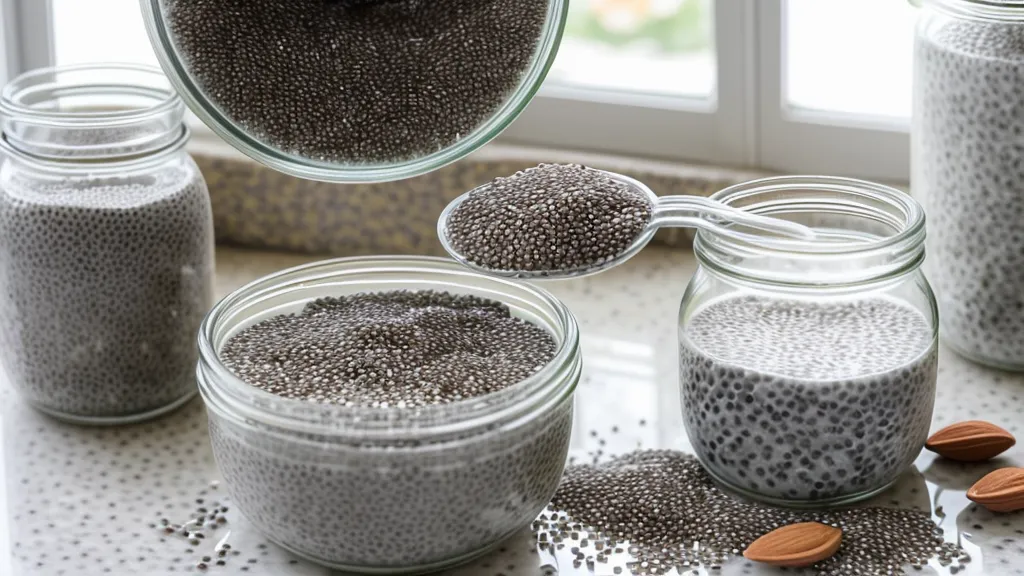
One of my absolute favorites is a savory chia seed pudding. Most people think of chia as a sweet dessert thing, but it’s a powerhouse for blood sugar. There are 10 grams of fiber in just 2 tablespoons of chia seeds. That fiber is essential for slowing down how fast your body turns breakfast into sugar. I mix them with unsweetened almond milk, a pinch of sea salt, some smoked paprika, and topped with avocado. It sounds weird, I know, but it works.
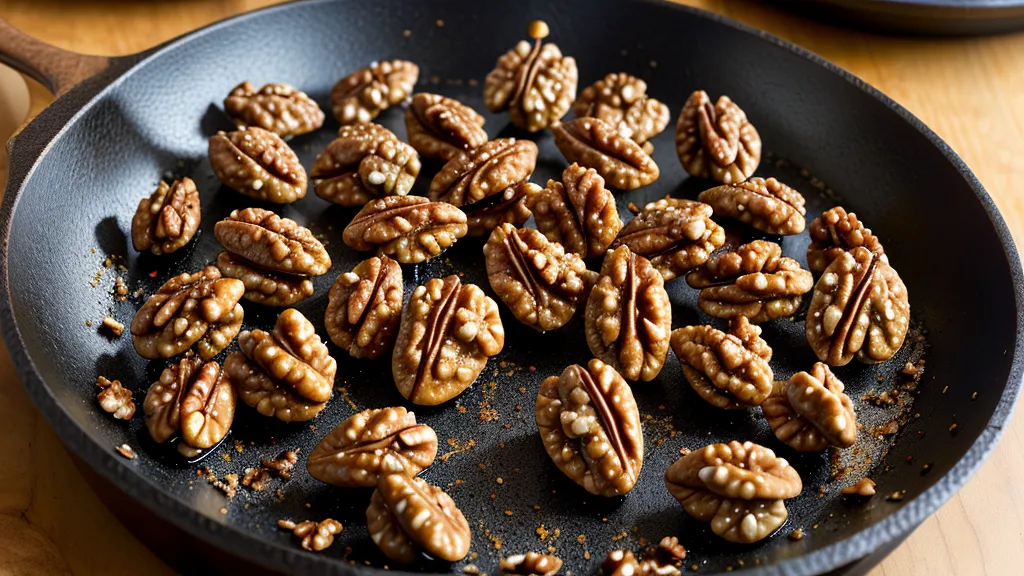
Another staple is what I call 'The Seattle Fog Bowl.' On those gray mornings, I love the nutty, toasted aroma of walnuts hitting a dry cast-iron skillet while the Seattle fog presses against the kitchen window. I’ll take those toasted walnuts and toss them over a small portion of warm, leftover quinoa or buckwheat. I add a massive amount of spinach (which has a GI so low it’s practically zero) and a drizzle of extra virgin olive oil. The fat from the oil and the walnuts keeps me full until lunch, no shakes required.
Building Your Own Low-GI Lab
If you're trying to navigate this without losing your mind, start small. You don't have to overhaul everything overnight. I’ve found that I can still enjoy some of my old favorites if I’m smart about how I add fiber to meals for better blood sugar stability. For instance, if I’m really craving something bread-like, I’ll go for a single slice of sprouted grain bread, but I’ll smother it in almond butter and hemp seeds to keep that glycemic load under control.
Late last spring, I finally felt like I had a handle on it. I wasn't just surviving; I was actually enjoying my weird little savory bowls. I still miss white bread more than I will ever admit publicly—there is no 'low-GI' substitute for a fresh sourdough boule that actually hits the same—but I don't miss the brain fog or the fear of my next lab result.
I've also found that managing the physical cravings is half the battle. When my sugar was swinging wildly, I wanted every cookie in the office breakroom. Once I stabilized my mornings, those voices got quieter. I wrote a bit about how to stop sugar cravings with protein recently, and it really goes hand-in-hand with these breakfast changes. If you don't set the stage correctly at 7:00 AM, you’re going to be fighting a losing battle by 3:00 PM.
A Final Thought from the Kitchen
Living with prediabetes is a journey of constant recalibration. Some mornings, I still get it wrong. I’ll try a new 'low-carb' wrap from the grocery store, and my body will tell me within an hour that the label was lying. It’s frustrating, and it’s okay to feel that frustration. We are essentially relearning how to fuel our bodies in a world that wants to sell us cheap sugar at every turn.
But you don't need eggs to stay stable. You need fiber, you need healthy fats, and you need a little bit of patience with yourself. Your breakfast doesn't have to be a choice between a chicken and a glucose spike; it's about the chemistry of the bowl. Take it one morning at a time, keep your 'lab' open, and remember that even a small change in your morning routine can make a massive difference in how you feel for the rest of the day. Check with a professional if things get worse, but don't be afraid to experiment in your own kitchen to find what makes your body feel steady.