
It was mid-November in Seattle, the kind of gray afternoon where the mist feels like it’s actually coming from inside your bones. I was standing in the office breakroom, clutching a small glass jar of chia seeds like a security blanket. At the other end of the counter, a coworker was slicing into a fresh loaf of sourdough—the real stuff, with the crackly crust and that tangy, yeasty scent that usually makes me weak in the knees. I had to look away. Since my wellness screening a few months prior, my relationship with bread had become... complicated.
Look, the irony of working in corporate HR, managing a wellness program, and then failing my own blood test was not lost on me. I spent the first month in total denial, eating the same processed granola bars and 'healthy' sandwiches, thinking I could just 'willpower' my way through it. But when my follow-up numbers came back even worse, the panic set in. I realized I wasn’t just dealing with a number on a chart; I was dealing with a metabolism that was slowly breaking. I had to stop being a manager and start being a scientist in my own kitchen.
The Great Fiber Realization: Speed Bumps and Brooms
During those early days of panic, I thought the answer was just cutting calories. I was wrong. My blood sugar was still spiking because I had effectively stripped the fiber out of my life in favor of 'convenient' low-calorie snacks. In my kitchen-turned-lab, I started obsessing over the Glycemic Index (GI), which ranks carbs on a scale of 0 to 100 based on how fast they spike your glucose. But I quickly learned that the real secret weapon for stability isn't just avoiding high-GI foods—it's adding the right kind of fiber to create a buffer.
I started thinking of fiber in two ways: soluble fiber as 'speed bumps' and insoluble fiber as 'brooms.' The soluble stuff attracts water and turns into this thick gel during digestion. This gel is what actually slows down the absorption of sugar into your bloodstream. The insoluble stuff? That’s the broom that keeps things moving. When I started aiming for the Institute of Medicine’s recommendation of 25 grams of fiber per day for women, everything changed. It wasn't just about 'regularity'; it was about slowing the metabolic freight train down so my insulin could keep up.

One rainy Tuesday afternoon, I spent three hours at the Costco in Shoreline just reading labels. I felt like a conspiracy theorist, squinting at the fine print. That’s when I hit my first major failure. I found a loaf of 'multigrain' bread that looked hearty and dark. I felt so proud of myself for picking it. But when I got home and looked closer, I realized the 'multigrain' was just white bread with molasses added for color and almost zero extra fiber. I felt so betrayed. It was a reminder that the standard American diet is designed to trick us into thinking we’re eating healthily while feeding us the very things that spike our glucose.
The 'Fiber First' Strategy and the Kitchen Lab
By early January, I had moved past the bread betrayal and started experimenting with meal sequencing. I’d read that eating fiber *before* your main meal could drastically change your post-meal energy levels. I started making a small bowl of greens dressed in apple cider vinegar and olive oil before every dinner. I call it the 'Fiber First' sequence. It creates a literal mesh in your small intestine that catches the sugar from whatever you eat next.
I also started looking at Glycemic Load (GL), which is even more important than GI because it accounts for serving size. A food might have a high GI, but if the portion is small and packed with fiber, the load is manageable. This was the philosophy that led me to turn my pantry into a low-GI experiment zone. I stopped buying those 'fruit-on-the-bottom' yogurts and started buying plain Greek yogurt. Every morning, I stand in the quiet of my kitchen and sprinkle in hemp hearts. The nutty, slightly toasted aroma of hemp hearts being sprinkled over a bowl of Greek yogurt is now one of my favorite parts of the day—it’s a sensory reminder that I’m taking care of myself.
Here is the thing I learned about the math of it all: it’s easier to hit that 25-gram goal than you think if you choose the right 'anchors.' For instance, I started adding one tablespoon of chia seeds to my morning routine—that’s 5 grams of fiber right there. If I add a medium avocado to my lunch, that’s another 13.5 grams of fiber. Suddenly, I’m nearly 75% of the way to my goal before I even think about dinner. It’s about building a fortress of fiber throughout the day so that the occasional treat doesn't send my system into a tailspin.
The Supplement Trap: Why the Matrix Matters
I need to be honest about something because I see this advice everywhere. A lot of people told me to just chug a glass of fiber powder in water and call it a day. I tried that. For me, it was a disaster. Here is the angle that most 'health gurus' miss: relying on raw fiber supplements can actually spike your blood sugar in a roundabout way. Because the fiber isn't 'matrixed' into a whole food, it can sometimes cause rapid gastric emptying or just move through you so fast that it doesn't create that necessary gel barrier in the gut.
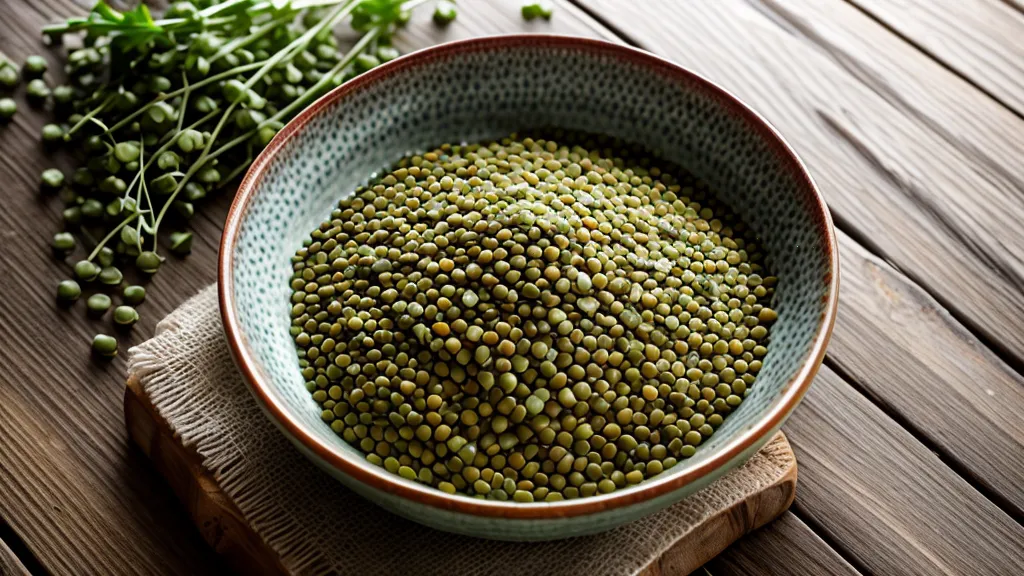
When you eat fiber that is naturally part of a plant—like in a cup of cooked lentils, which packs a massive 15.6 grams of fiber—your body has to work to break down the cell walls of the plant. That 'work' is exactly what we want. It ensures a slow, steady release of nutrients. I’m not a doctor or a nutritionist—I’m just an HR manager who has spent way too many hours looking at my own blood sugar logs—but I’ve found that my body responds so much better to a bowl of beans than to a spoonful of powder. If you're curious about how I started incorporating more legumes, I wrote about how to prepare dried beans for a lower glycemic response, which was a total game-changer for my Sunday meal prep.
I’ve also realized that everyone’s body is a different ecosystem. What works for my coworker might not work for me. That’s why I always tell people to check with their own doctor before making big changes. I’m just sharing what I’ve found in my own 'kitchen lab.' For me, the focus has shifted from 'what can't I have?' to 'how much fiber can I add to this?' It’s a much more empowered way to live. I even shared some of these realizations in my post about why my kitchen lab beat the official nutrition guide because, let’s be real, the standard advice often feels twenty years behind the reality of living with prediabetes.
Practical Ways to Layer Fiber Daily
If you’re trying to navigate this without losing your mind, here are the three 'non-negotiables' I’ve landed on after about six weeks of trial and error:
- The Chia Boost: I keep a jar of chia seeds on the counter. They go in yogurt, in smoothies, and sometimes even sprinkled on top of a salad. At 5 grams per tablespoon, it’s the easiest 'insurance policy' for my blood sugar.
- The Avocado Anchor: I used to think avocados were just for fancy toast. Now, I see them as a fiber powerhouse. With 13.5 grams in a medium avocado, it’s the most delicious way to stabilize a meal. I’ll add half of one to almost any savory dish.
- The Legume Foundation: Lentils and beans are the kings of the fiber world. A cup of cooked lentils has 15.6 grams of fiber. I started swapping half of the meat in my recipes for lentils, and honestly, the texture is great and my energy levels after the meal are so much more stable.
I still miss white bread. I’ll say it. I miss the fluffiness of a baguette with salty butter more than I will ever admit to my 'wellness' colleagues. But the trade-off is that I no longer have that 3 PM crash where I feel like I’m vibrating out of my skin. I don't get the 'hangry' outbursts during long meetings anymore. The steady, non-crashing energy of a high-fiber life is a much better reward than five minutes of sourdough bliss.
Living with prediabetes is a journey of constant adjustment. It’s about reading every single nutrition label, even when it’s frustrating, and understanding the Glycemic Index of common foods so you can make informed choices. It’s not about being perfect; it’s about being better than I was when I first got that diagnosis in the office breakroom. I’m still figuring it out, one bowl of lentils at a time, but for the first time in a long time, I feel like I’m the one in control, not my glucose levels.