
Standing in my kitchen late one rainy evening last November, I found myself staring at a loaf of sourdough like it was some kind of forbidden relic. The crust looked perfect—the kind of artisanal bake you find at that little bakery in Ballard—but my glucose monitor was sitting right there on the granite counter, looking at me with what felt like pure judgment. I hadn’t even touched the bread, but my mind was already racing through the glycemic load calculations. I was exhausted, hungry, and honestly, a little bit heartbroken that a piece of toast had become my greatest adversary.
The irony of my situation isn’t lost on me. I’m an HR manager. I literally oversee our corporate wellness program. I spent years telling employees to 'take the stairs' and 'choose the fruit bowl,' only to fail my own routine wellness screening. When the lab results came back showing an A1C of 6.2%—right in that stressful 5.7% to 6.4% prediabetes range—I felt like a total fraud. My fasting glucose was hitting 118 mg/dL, well into the 100 to 125 mg/dL danger zone, and suddenly all those 'wellness' PowerPoints I’d approved felt like a cruel joke. I spent the first month in total denial, which led to a moment I’m still ashamed of: shoving a crinkled white bread wrapper to the very bottom of the kitchen trash so my family wouldn't see my Tuesday afternoon lapse. I wasn’t ready to be 'that person' with the 'condition.'
The Humiliation of the 'Healthy' Grazer
For years, I thought I was doing everything right. I followed the standard advice of eating small, frequent meals to 'keep the metabolism firing.' I was a professional grazer. A handful of almonds here, a low-fat yogurt there, a piece of fruit between meetings. But as I started digging into the science of insulin sensitivity, I realized I was actually keeping my body in a state of constant insulin production. My pancreas never got a break. Every time I reached for a 'healthy' snack, I was triggering another spike, never letting my insulin levels drop low enough for my body to tap into stored energy.
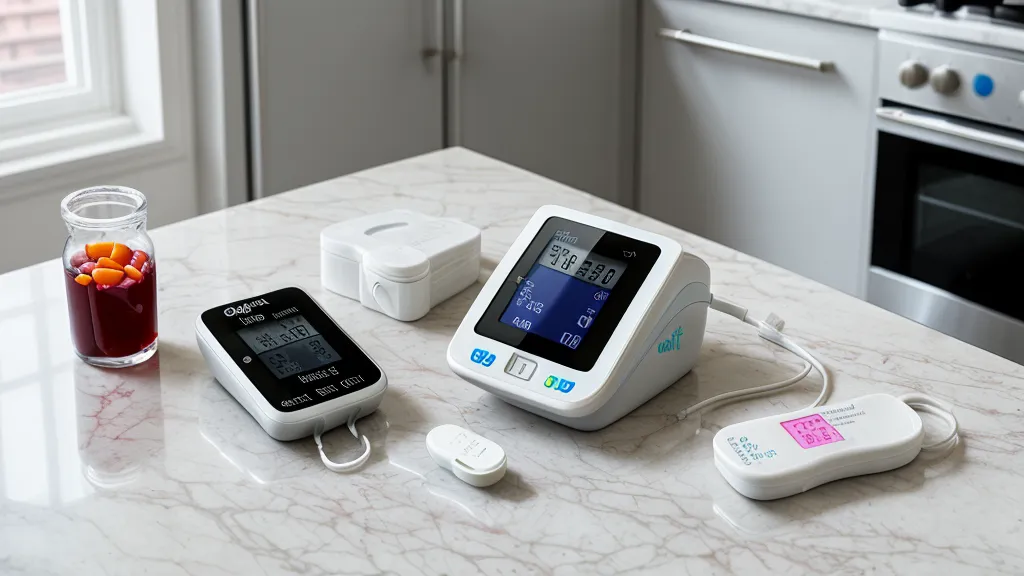
By the time the holidays rolled around, I knew I had to change the structure of my day, not just the ingredients on my plate. I had already started experimenting with glycemic load, but it wasn't enough. My numbers were still stubborn. That’s when I started looking into time-restricted feeding, or intermittent fasting (IF). But look, I’m not a health coach or a dietitian. I’m just a woman who realized the standard American way of eating was slowly breaking her metabolism. Before you try any of this, please talk to your own doctor—I’m just sharing what worked in my 'kitchen lab.'
Starting the 16:8 Protocol Without the Panic
The most common way to start is the 16:8 protocol—fasting for 16 hours and eating during an 8-hour window. It sounds intimidating, but for me, it was about reclaiming the time my body spent *not* processing sugar. I started slowly. In late December, I just tried to stop the late-night snacking. No more popcorn while watching Netflix. No more 'just one more' bite of leftovers at 9 PM.
Transitioning was hard. The first few mornings were filled with that hollow, shaky feeling. I found that using tools like apple cider vinegar before my last meal of the day helped slightly dampen the morning glucose rise, but the real challenge was mental. I had to unlearn the idea that hunger was an emergency. In my Seattle office, there’s a constant stream of snacks—tech-bro culture has made 'unlimited snacks' a standard perk—and saying no to the 10 AM granola bar felt like a social snub at first.
The Morning Protein Rule: Why Most IF Advice is Wrong for Us
Here is the thing I learned the hard way: most of the intermittent fasting advice you see online is geared toward people looking for quick fat loss, and they often suggest skipping breakfast entirely. For someone with prediabetes, I found that skipping morning protein was a recipe for disaster. If I waited until 1 PM to eat, my liver would sense the 'starvation' and dump a bunch of stored glucose into my bloodstream—hello, Dawn Phenomenon—and then whatever I ate for lunch would send my numbers into the stratosphere.
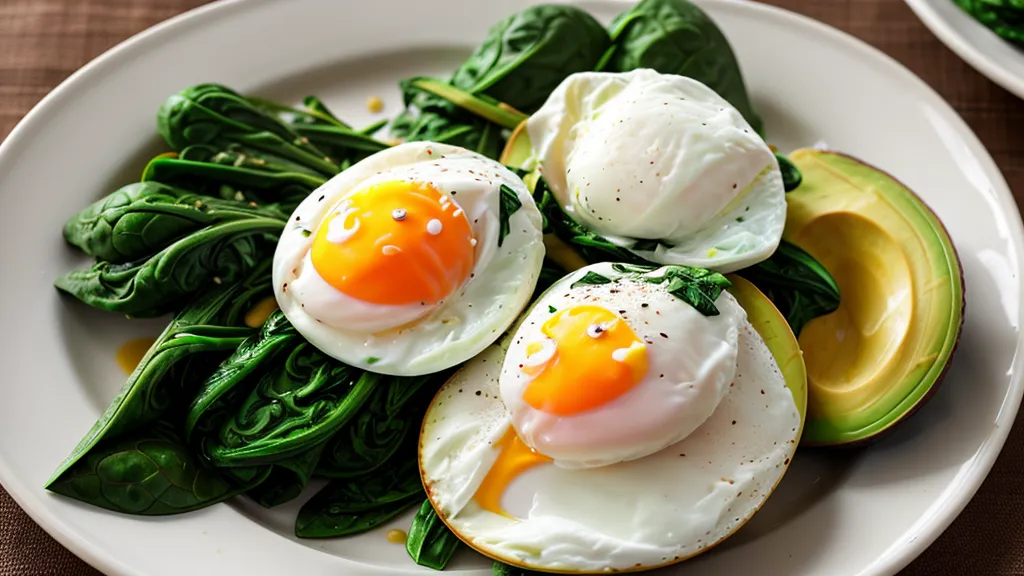
About early spring, I pivoted my strategy. Instead of skipping breakfast, I made my eating window earlier. I’d have a high-protein, low-GI breakfast—something like eggs with spinach or a protein shake with no added sugar—around 9 AM. This stabilized my blood sugar right at the start of the day. If I skipped that morning protein, my insulin sensitivity for the rest of the day was shot. Focusing solely on fat loss can backfire if you don't stabilize your glucose before that first 'real' meal of the day.
The Sensory Reality of the Kitchen Lab
Living this way changes your relationship with your senses. There’s a specific routine I have now. Every morning, there's the sharp, sterile scent of the alcohol prep pad and the rhythmic clicking of the lancing device in the quiet Seattle morning. It’s a ritual now, not a chore. It tells me the truth that my cravings try to hide. I’ve learned that the 'low-fat' crackers I used to love have a glycemic load that is basically the same as eating a spoonful of table sugar.
I started realizing that my sleep played a huge role in this too. If I didn't sleep well, my fasting numbers the next morning were always higher, no matter how strictly I fasted. I actually wrote about how to improve sleep quality for stable morning glucose because the connection between cortisol, sleep, and insulin is just too strong to ignore. When you’re prediabetic, you’re not just managing food; you’re managing a whole ecosystem of stress and rest.

The Sunset Rule: Ending the Day Early
The biggest 'turning point' happened about six weeks ago. I noticed that my morning blood sugar numbers were significantly better if I ended my eating window at sunset rather than trying to push my first meal later into the day. Circadian biology suggests our insulin sensitivity is naturally higher in the morning. By eating my largest meals earlier and closing the kitchen by 6 PM, I was working *with* my body instead of against it.
It’s not always easy. When my coworkers want to go out for a late happy hour, I have to be the one ordering a club soda with lime and maybe a side of olives. It feels restrictive sometimes, but the peace of mind I get from seeing a fasting glucose number that starts with a '9' instead of a '1' is worth more than any late-night taco. I’ve even had to learn how to navigate the social minefield of alcohol, which I figured out through a lot of trial and error in my kitchen lab where I realized the official guides don't always account for how my specific body reacts to a glass of dry wine.
Practical Steps to Start Safely
If you're looking to start this journey, don't try to be a hero on day one. Here is how I’d suggest easing into it based on my eight months of trial and error:
- Start with a 12-hour window: Just stop eating after dinner. If you finish dinner at 7 PM, don't eat again until 7 AM. Do this for a week.
- Prioritize morning protein: Don't just have coffee. Have 20-30 grams of protein to signal to your body that it doesn't need to dump liver glucose.
- Watch the Glycemic Load: Fasting doesn't give you a free pass to eat high-GI foods. A 16-hour fast followed by a plate of white pasta is a rollercoaster your pancreas doesn't want to ride.
- Hydrate with electrolytes: When you fast, your kidneys flush out sodium more quickly. I found that a pinch of sea salt in my water helped prevent the 'fasting headaches' I got in the beginning.
- Test, don't guess: Use your glucometer. See how *your* body responds to a 14-hour fast vs. a 16-hour fast. Every metabolism is as unique as a fingerprint.
Metabolic Flexibility Over Perfection
I still miss white bread. I miss being able to grab a bagel at the office without a second thought. But I’ve realized that intermittent fasting isn't about punishment; it’s about metabolic flexibility. It’s about teaching my body how to switch between burning sugar and burning fat again. It’s about giving my insulin receptors a chance to breathe.
Last week, I had a follow-up with my doctor. My A1C has started to tick downward, and more importantly, my energy levels don't crash at 3 PM anymore. I don't feel like a fraud in my HR role anymore; I feel like someone who finally understands the 'wellness' she’s been promoting. It’s a slow process, and some days I still want to hide a wrapper in the trash, but the clicking of my lancing device reminds me that I'm in control now. And that is a much better feeling than the temporary high of a sourdough crust.