
Standing in the Kirkland bakery aisle on one rainy Saturday morning last month, the smell of fresh sourdough felt like a personal taunt. It’s that sharp, yeasty tang that used to mean comfort—now it just feels like a reminder of the metabolic 'check engine' light that’s been flashing in my life for months. My new glucose monitor sat heavy in my purse, a silent witness to the fact that I couldn't just grab a loaf and pretend everything was fine anymore.
Look, the irony of being the HR wellness manager who failed her own screening is not lost on me. I spent years writing emails about 'healthy choices' and 'finding your balance,' only to find out late last November that my own A1C had crept into the prediabetes A1C range of 5.7% to 6.4%. It was a gut punch. I felt like a fraud, and my first reaction wasn't to change—it was to hide.
The HR Wellness Manager's Secret Bagel
During that first month after the diagnosis, I was in total denial. I changed absolutely nothing. There was this one morning in mid-January where I was sitting at my desk, finishing a draft of our company wellness newsletter about 'making balanced choices for a vibrant life.' Meanwhile, I was literally hiding a half-eaten sesame bagel in my top drawer because I couldn't face the fact that my numbers were already climbing. I was preaching health while my own blood sugar was spiking behind closed doors.
It wasn't until my follow-up numbers came back even worse that the panic set in. I realized that the standard American diet—the stuff I’d been eating without thinking—was slowly breaking my metabolism. I had to stop being the wellness manager on paper and start being one in my own kitchen. That meant rebuilding my relationship with food from the ground up, specifically around the glycemic index and glycemic load.
The Pivot: Learning the Language of Glycemic Load
Early last spring, I turned my kitchen into what I call my 'low-GI test lab.' I’m not a dietitian or a nutritionist, and I have zero medical training—I’m just a woman in her 40s trying to figure out how to keep her energy from crashing every afternoon. I learned that the low glycemic index threshold is 55 or less, which is the gold standard for how quickly a carbohydrate triggers a glucose response. But the real game-changer for me was understanding glycemic load (GL).
While GI tells you how fast a food spikes you, GL accounts for the serving size. It’s the difference between eating a tiny sliver of a high-GI fruit versus a giant bowl of 'healthy' white rice. This shift in thinking changed how I approached the massive aisles at Costco. I stopped looking for 'low calorie' or 'fat-free' and started looking for things that would slow down the absorption of sugar. The American Diabetes Association notes that fiber and fat can slow the absorption of glucose when eaten with carbohydrates, and that became my new shopping North Star.
Before you overhaul your pantry based on my experience, please talk to your own doctor or a professional. Every body responds differently, and I’m still just figuring this out as I go. But for me, the warehouse club became less of a temptation trap and more of a tactical supply depot.
My Low-GI Staples: The Bulk Buy Strategy
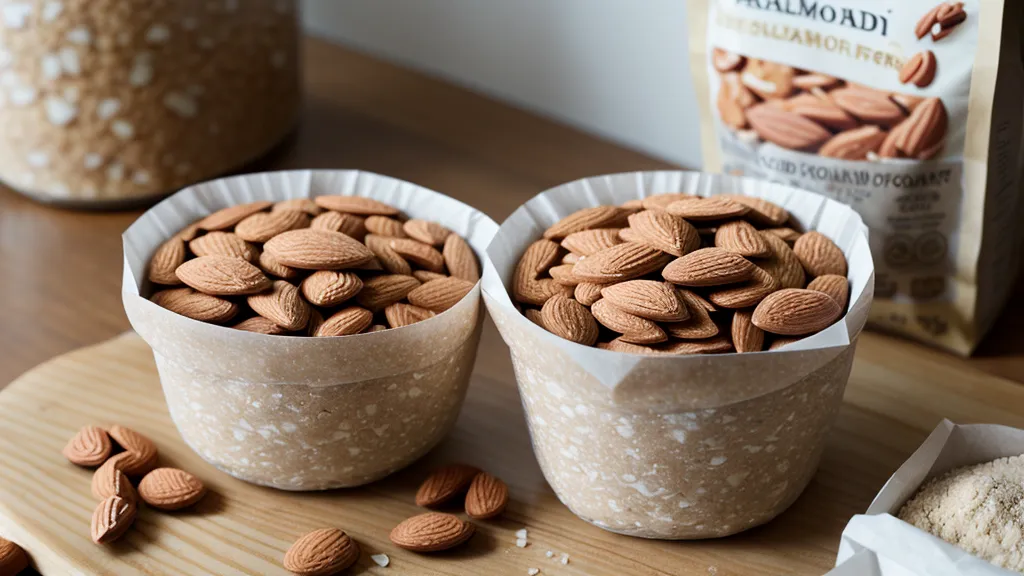
When I hit the warehouse now, I head straight for the items that help me build a safety net for my blood sugar. One of the biggest shifts was trading white flour for alternatives. I still remember the first time I hauled that Kirkland Signature Almond Flour bag weight of 3 lbs into my cart. It felt heavy and gritty through the plastic—a dense, solid weight that was such a stark contrast to the light, airy loaves of white bread I used to toss in without a second thought. But that almond flour is a staple in my kitchen lab now for making muffins that don't leave me shaking and hungry an hour later.
Another essential is the Kirkland Signature Organic Hummus pack size of 20 count. Having those individual portions is a lifesaver when I’m at work and the breakroom is full of donuts. I pair them with cucumbers or bell peppers, and the combination of fiber and healthy fats keeps my glucose steady. I've also learned how to add fiber to meals for better blood sugar stability daily by grabbing the massive bags of walnuts and chia seeds. They aren't just snacks; they are tools I use to 'blunt' the spike of whatever else I’m eating.
The Frozen Aisle Secret: Why Fresh Isn't Always King
Here is the thing that most 'clean eating' guides get wrong: they obsess over the produce department. While I love a good farmer's market, I’ve found that Costco’s frozen produce is actually superior for my blood sugar control. We live in Seattle, and by the time 'fresh' broccoli or berries reach us from halfway across the continent, they’ve often lost a significant amount of the nutrients that help our bodies process them.
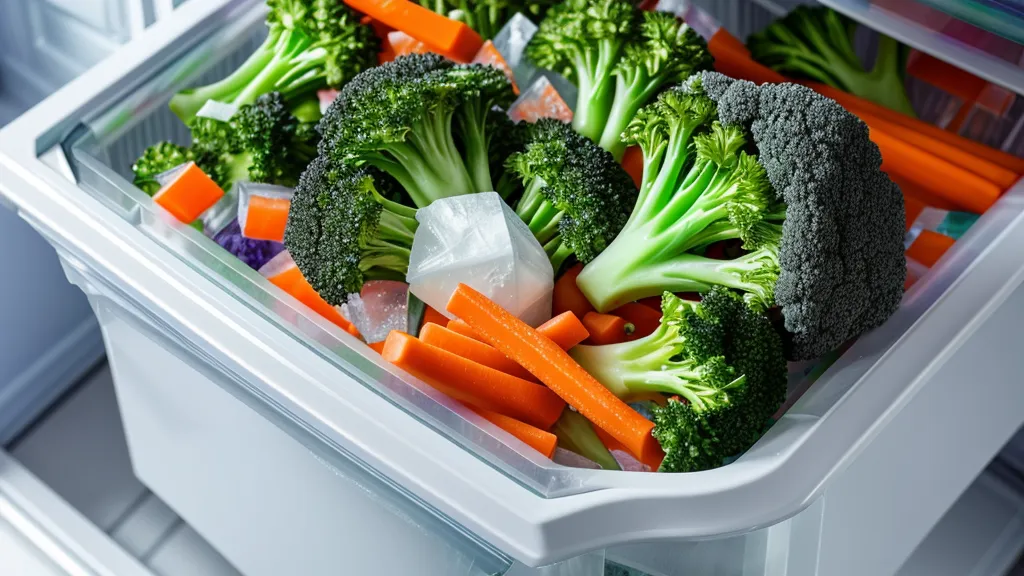
Because frozen vegetables are flash-frozen right at the source, they preserve the fiber structure and micronutrients that can degrade during long transit times. I keep my freezer stocked with the giant bags of organic broccoli and stir-fry blends. They are my insurance policy. If I’m tired after a long day of HR meetings, I can throw those in a pan with some protein, and I know exactly how my body will react. There’s no guessing game like there is with a 'fresh' vegetable that’s been sitting on a shelf for a week.
Reclaiming the Wellness Title
It’s been a journey from that mid-January panic to where I am now. I used to think of my prediabetes diagnosis as a failure of willpower, but I’ve realized it’s more like a puzzle. My kitchen lab experiments haven't been perfect—I’ve made some truly tragic almond-flour pancakes that had the texture of wet sand—but they’ve taught me more about my body than any corporate wellness pamphlet ever could.
I actually wrote about this recently, diving into why my kitchen lab beat the official nutrition guide in terms of what actually worked for my day-to-day life. It turns out that personal data and a glucometer are much better teachers than a generic food pyramid.
Walking past the food court pizza now, I still smell the grease and the crust, and yeah, part of me still wants it. But then I look at my cart—full of fiber, healthy fats, and bulk proteins—and I finally feel like the wellness advocate I’d been pretending to be for years. I’m not perfect, and I still miss white bread more than I’ll ever admit in a staff meeting, but I’m finally in control. And in the world of prediabetes, that feeling of control is the best thing you can possibly put in your cart.