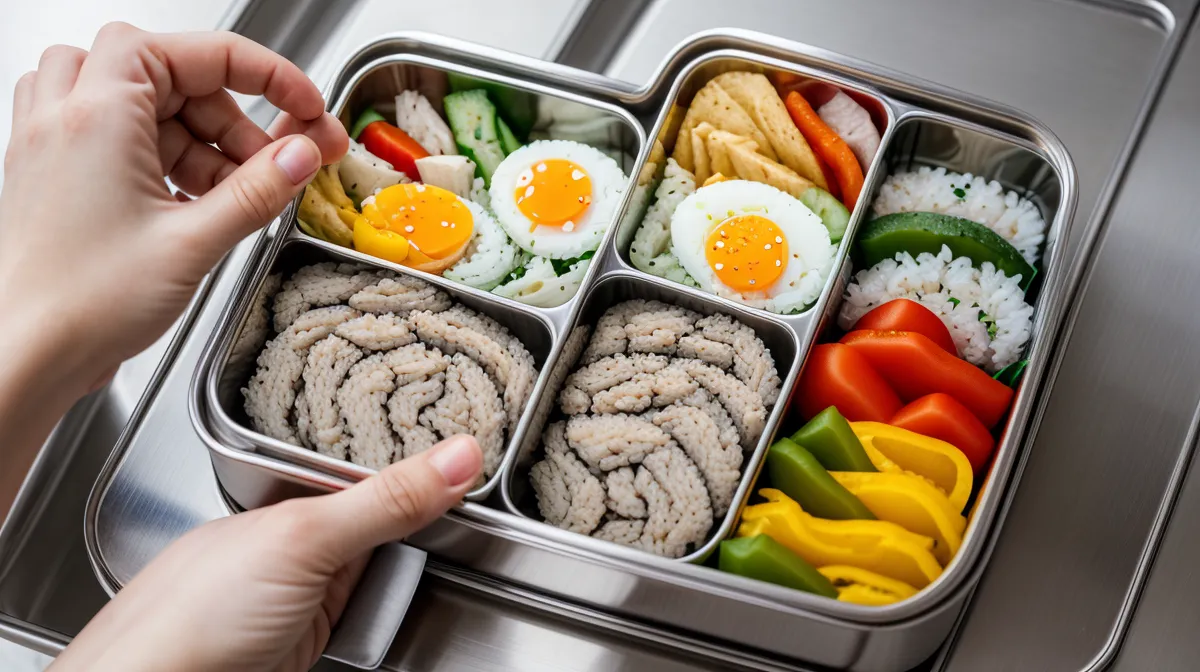
One rainy morning last October, I found myself staring longingly at my daughter's white bread sandwich. It was just basic sourdough from the local bakery, but to me, it looked like a forbidden treasure. There I was—the woman who runs the corporate wellness program at a major suburban Seattle firm—packing a lunch for my child that I knew would spike her blood sugar just like the bagel that had landed me in the prediabetic range a few months prior. The irony was thick enough to spread on a cracker, and let me tell you, it tasted a lot like humble pie.
I had spent the first month after my diagnosis in total denial, eating the same processed convenience foods and wondering why my energy felt like a roller coaster. But when my follow-up numbers came back even worse, the panic set in. I realized that my kitchen wasn't just a kitchen anymore; it was a low-GI test lab. And as I looked at the 'kid-friendly' snacks in our pantry—the juice boxes, the white flour crackers, the sugary yogurts—it hit me. My kids were on the same metabolic path I was desperately trying to escape. I wasn't just fixing my own plate; I had to rethink the entire lunchbox.
The Great Pantry Audit of September
When the school year kicked off in the first week of September, I decided to be brave. I audited the pantry with the same intensity I use for a quarterly HR budget. What I found was startling. Almost everything marketed for kids is high-glycemic. We’re talking about foods that sit way above the Glycemic Index threshold of 55, which is where the 'low' category officially ends. If it’s fast, easy, and comes in a crinkly bag, it’s usually a blood sugar bomb.
I started small. I replaced the standard flour tortillas with sprouted grain versions. The first time I toasted them, that specific, slightly sour aroma of sprouted grain toast filled the kitchen while I wistfully remembered the smell of toasted sourdough. It’s a different scent—earthier, less 'pillowy'—and it was the first sign of our new reality. I braced for the inevitable elementary school rebellion, but I realized that if I didn't make these changes now, I was just passing down my own metabolic struggles.
Understanding the Math: GI vs. GL
Look, I’m not a health coach or a nutritionist. I’m an HR manager who likes spreadsheets. So, I started looking at the numbers. To really pack a lunch that works, you have to understand the difference between the Glycemic Index (GI) and the Glycemic Load (GL). The GI tells you how fast a food raises blood sugar on a scale of 1 to 100. A GI of 55 or less is the gold standard for 'low.' But the real secret is the Glycemic Load, which accounts for the actual portion size.
The Glycemic Load formula is (GI x Net Carbs) / 100. My goal was to keep the total GL of a lunchbox serving under 10. For example, canned chickpeas have a GI of about 28. They are a staple in my kitchen lab now because they provide that slow-burn energy. But here is the thing I learned the hard way: you can't just throw a bunch of beans at a seven-year-old and expect them to be happy. You have to bridge the gap between 'healthy' and 'actually edible.'
I’m obviously not a doctor, and I have zero medical training, so you should definitely talk to your own pediatrician before making massive shifts in your child's diet. But for us, focusing on these numbers was about stability, not restriction. I wanted my kids to have the energy to make it through their afternoon soccer practice without the dreaded 'hangry' meltdown that usually happened around 4:00 PM.
The Kitchen Lab Phase: What Worked (and What Smelled Like Defeat)
By mid-winter break, my kitchen was a full-blown experiment. I was testing every swap imaginable. Some were wins; others were disasters. I remember one Tuesday evening last February when I found three untouched low-GI lentil wraps in the bottom of a backpack. They smelled faintly of defeat and cumin. My kids didn't want 'mushy' wraps; they wanted crunch. They wanted familiar. I had to learn to meet them halfway.
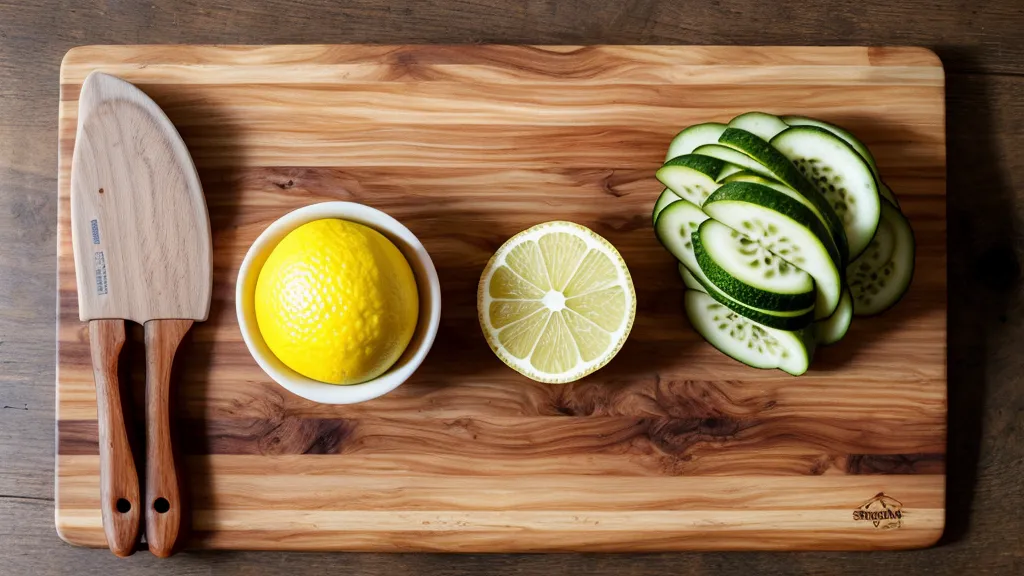
Instead of forcing lentil wraps, I went back to basics. I found that Sprouted bread actually holds up better than I thought if you toast it slightly. I also learned that acidic ingredients, like a little lemon juice in their hummus or a splash of vinegar in a cold pasta salad, can slightly lower the glycemic response of the meal. It’s these little 'hacks' that make the difference between a spike and a steady curve. If you're struggling with your own sweet tooth while packing these lunches, I've shared some thoughts on the low-GI snacks that finally stopped my mid-afternoon crashes which might give you some ideas for your own desk drawer too.
The Unique Angle: Why Too Much Fiber Backfires for Kids
Here is something I haven't seen in many parenting blogs, but I saw it play out in my own living room. In late April, I noticed my youngest was coming home exhausted and irritable, even though I was packing 'perfect' low-GI, high-fiber meals. I realized that prioritizing whole grains and heavy fiber to lower the glycemic load can actually backfire for children. Their stomachs are small.
High fiber content causes premature fullness. My daughter would eat a few bites of a high-fiber bean salad, feel completely full because of the bulk, and then stop eating. But she hadn't actually consumed enough calories to fuel her body. Two hours later, she’d have a blood sugar crash—not because the food was 'bad,' but because she didn't get enough energy. This led to a huge realization: for kids, you have to balance the fiber with healthy fats and proteins to ensure they get enough calories without the spike. It’s not just about the GI; it’s about the density of the nutrition.
The 'Fiber-Protein-Fat' Bridge
The turning point came when I discovered what I call the 'Bridge.' I stopped trying to make every single item in the lunchbox low-GI and started focusing on how they worked together. I learned that adding a handful of almonds or a hard-boiled egg could effectively lower the total glycemic load of the entire lunchbox. The fat and protein slow down the digestion of the carbohydrates, even if those carbs are a bit higher on the index—like a piece of fruit.
I started using this 'Bridge' method for everything. If I gave them an apple (moderate GI), I paired it with almond butter. If I gave them some whole-grain crackers, I paired them with a high-quality cheese stick. This kept their energy levels incredibly stable. I’ve even started applying this to my own cravings. I’ve found that I can manage my own levels better when I’m strategic, and I’ve written about how to stop sugar cravings with protein which has been a lifesaver for me during those late-night HR report sessions.
Practical Low-GI Lunchbox Ideas
- The Sprouted Turkey Sando: Use sprouted grain bread, plenty of turkey, avocado (for that fat bridge), and mustard instead of sugary mayo.
- The Chickpea Salad: Canned chickpeas (GI 28) tossed with cucumber, feta, and a lemon-olive oil dressing. The acid in the lemon helps with the glucose response.
- The Bento Box: A hard-boiled egg, a few slices of deli meat, some berries (lower GI than grapes), and a handful of nuts.
- The 'Soda' Swap: We traded juice boxes for infused water—just some frozen berries and mint in a reusable bottle. It looks fancy and tastes great without the 25 grams of liquid sugar.
You can find more ideas on which foods to prioritize in this Glycemic Index of common foods reference chart that I keep pinned to my fridge. It helps me make quick decisions when I’m half-asleep at 6:30 AM trying to get everyone out the door.
Reflections from the Final Weeks of June
As the school year wrapped up in the final weeks of June, I took a moment to look back. The transformation wasn't just in the lunchboxes; it was in the house. My kids were maintaining steady energy through their afternoon sports without the typical post-school 'hangry' meltdowns. And honestly? My own numbers have stabilized because I’m eating the leftovers of these healthy lunches instead of hitting the vending machine at work.
Living with a prediabetes diagnosis is a journey, and I’m still figuring it out. I still miss white bread more than I will ever admit publicly—sometimes I just want a fluffy sub sandwich without checking a spreadsheet first. But seeing my kids thrive on a low-GI lifestyle makes the sprouted grain toast worth it. It’s about building a foundation for them that I didn't have. It’s about showing them that food is fuel, and stability is a lot more fun than a sugar crash. We’re not perfect, and we still have the occasional 'failure' in the bottom of a backpack, but we’re moving in the right direction, one chickpea at a time.