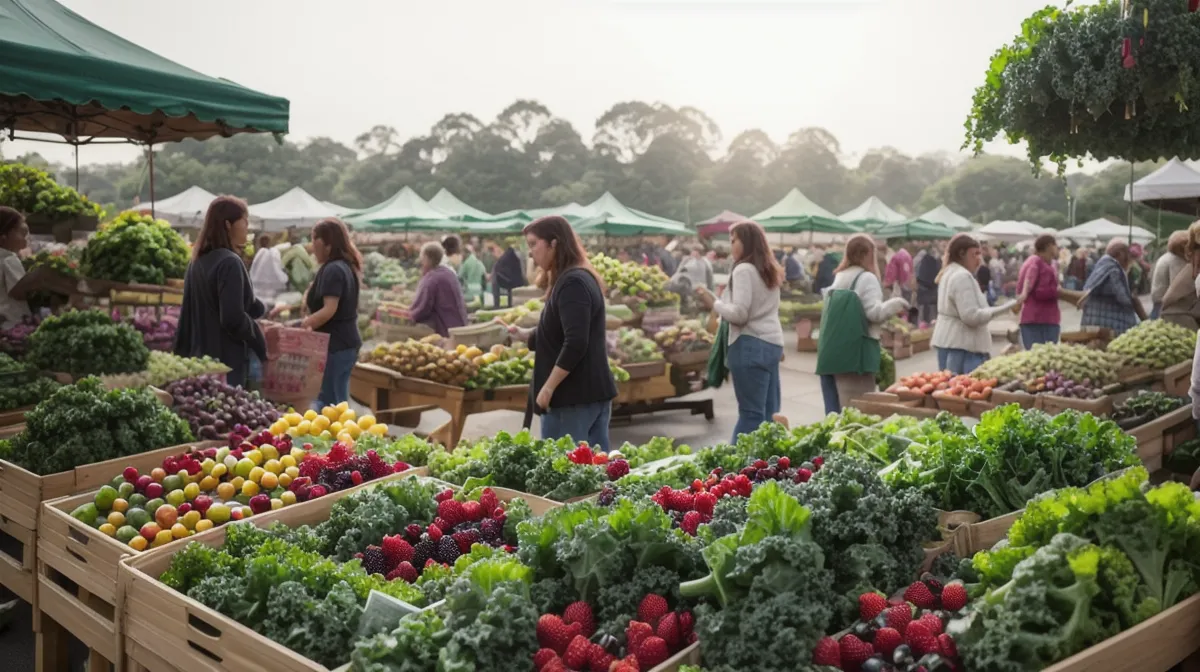
One damp Saturday morning in May, I stood paralyzed in front of a stall selling honey-drizzled scones, the scent hitting me like a physical wave of nostalgia for my pre-diagnosis life. It was one of those typical Seattle mornings where the mist clings to everything, and all I wanted was a warm, fluffy carbohydrate to make the world feel right again. But instead, I stood there with my reusable tote bag, feeling like a total fraud. I’m a 44-year-old HR manager for a company that literally runs corporate wellness programs. The irony of failing my own blood test—getting that 'prediabetic' notification during a routine screening—was not lost on me. I spent a month in deep denial, eating the same sourdough and pasta, only to panic when my follow-up numbers came back even worse.
Since then, my kitchen has turned into a low-GI test lab. I’ve had to rebuild my entire relationship with food, moving away from the standard American diet that was clearly breaking my metabolism. I’m not a dietitian or a health coach—I’m just someone who had to learn the hard way that 'natural' doesn't always mean 'safe for my pancreas.' And nowhere is that lesson more apparent than at the local farmers market. Look, I still miss white bread more than I will ever admit publicly, but I’ve found a new kind of satisfaction in hunting for foods that won't send my glucose into the stratosphere.
The Irony of the Wellness Manager: Learning the GI Scale
When I first got my diagnosis, I thought I could just shop my way out of it at the market. I figured if it grew in dirt and was sold by a guy in overalls, it was fine. I was wrong. I had to sit down and actually learn the Glycemic Index (GI). For those of us navigating this, the GI is a scale from 0 to 100, with 100 being the value of pure glucose. The goal is to stay under the low glycemic index threshold of 55 whenever possible. But it’s not just about the index; it’s about the Glycemic Load (GL), which considers the serving size. A low glycemic load threshold is generally 10 or less. Understanding these numbers turned my casual Saturday strolls into a high-stakes math problem.
I remember late June, walking through the U-District market, feeling overwhelmed by the sheer abundance of everything. I used to see a 'healthy' bounty; now I see metabolic taxes. I’ve realized that my old 'healthy' market trips—the ones where I’d buy three types of stone fruit and a jar of local preserves—were actually sugar bombs in disguise. I had to develop a strategy. I’m obviously not a doctor, and you should definitely talk to your own medical professional before changing your diet, but I’ve found that being my own 'lab tech' is the only way I can manage this without losing my mind.
The Strategy: Hunting for Metabolic Heroes
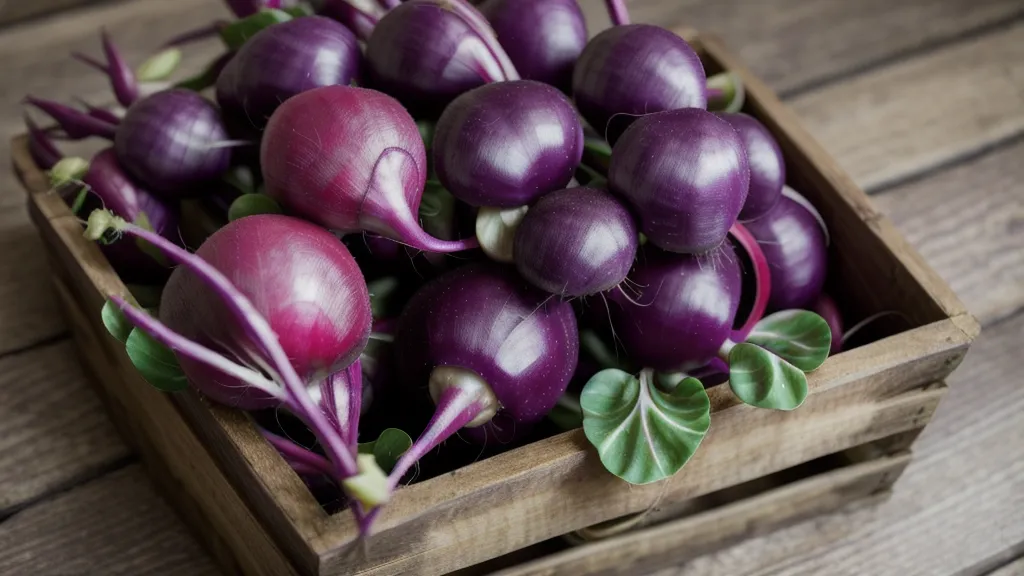
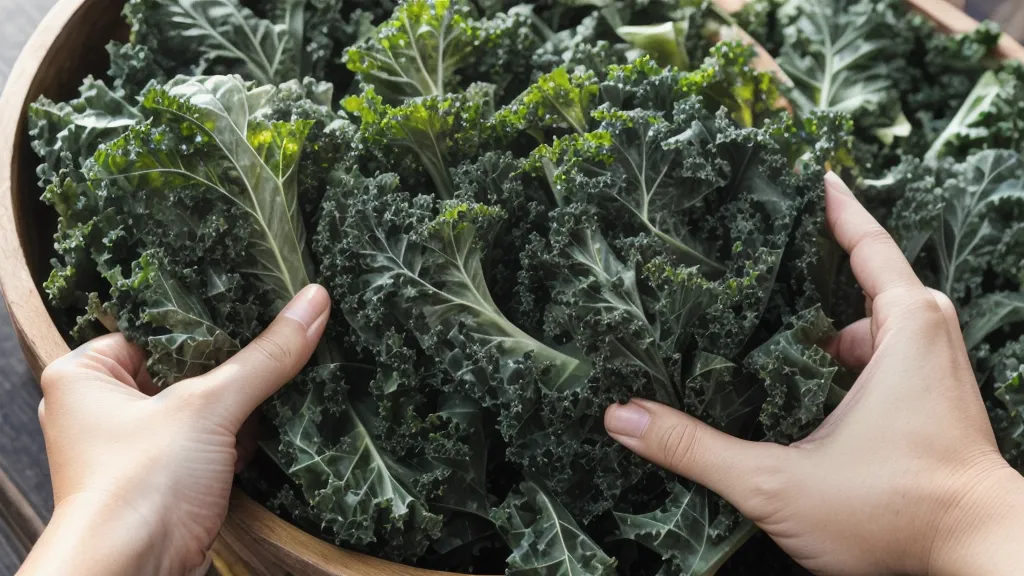
To survive the market without a spike, I’ve had to look past the 'natural' labels and find the true metabolic heroes. For me, that meant discovering the sharp, peppery crunch of a purple radish that replaced my morning toast habit, leaving a lingering zing on my tongue. It sounds sad, I know—radishes instead of toast—but when you find a farmer who grows those heirloom varieties that actually have flavor, it changes the game. I started filling my bag with lacinato kale, radishes, and bitter greens instead of the heavy starches I used to crave.
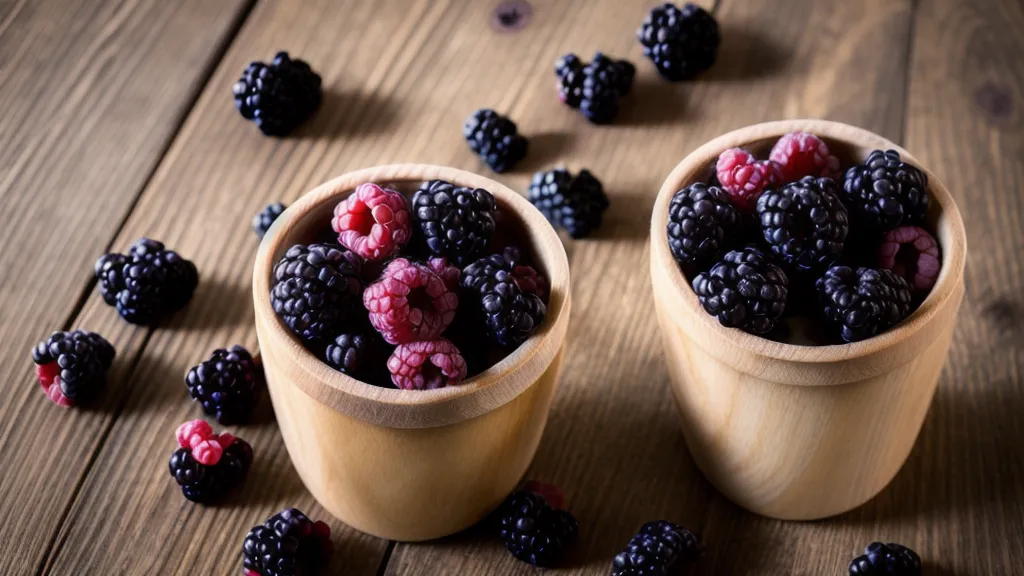
One Saturday morning last month, I found myself focused on the 'low and slow' foods. I’ve learned that the fiber content is my best friend for keeping things stable. For instance, did you know there is about 8 grams of fiber in one cup of raw blackberries? When I’m looking for a treat, I head straight for the tart berries. They have a much lower GI than the tropical fruits or even some of the sweeter local apples. If you’re struggling with the transition like I was, I found that How to Add Fiber to Meals for Better Blood Sugar Stability Daily was a great starting point for rethinking my plate composition.
The Turning Point: A Conversation with a Berry Farmer
A few weeks ago, I had a conversation that completely changed how I look at produce. I was staring at a display of Rainier cherries and calculating the metabolic tax my pancreas would pay for just one handful. They looked like jewels—blushed yellow and pink, perfectly translucent. The farmer noticed me hesitating and we started talking about ripeness. He explained that they leave the fruit on the tree as long as possible to maximize the sugar concentration. To a normal person, that’s a selling point. To me, it was a warning sign.
Here is the thing I hadn't considered before: prioritizing raw, local produce often leads to blood sugar spikes because seasonal fruits are harvested at their peak sugar ripeness compared to out-of-season grocery store varieties. Grocery store fruit is often picked green and 'ripens' (or at least softens) in a truck. But market fruit? It’s at its absolute peak glucose potential. This was a huge 'aha' moment for me. Now, I look for the smaller, tarter fruits. I ask the farmers which varieties are less sweet or have thicker skins. It turns out, the 'ugly' or slightly under-ripe berries are often my secret weapon for stable blood sugar.
The Ripeness Trap and the Power of Bitter
It’s counter-intuitive, right? We’re told that fresh and local is always better. And it is, for flavor and nutrients, but for those of us with a broken metabolism, 'fresh' can sometimes mean 'fast-acting sugar.' I’ve had to learn to embrace the bitter. I used to walk right past the mustard greens and the dandelion greens, thinking they were just for garnish. Now, they are the base of my meals. The bitterness seems to signal to my body that I’m full, which helps with the cravings that used to drive me straight to the bakery stall.
I also keep a running list of what works for me. Much like the The Low-GI Grocery List I Bring to Every Costco Trip After My Prediabetes Reality Check, I have a mental checklist for the farmers market. It includes things like sugar snap peas (in moderation), massive amounts of spinach, and every herb under the sun. Herbs are the secret to making low-GI food not taste like cardboard. If I can’t have the sugar, I’m going to have the basil, the cilantro, and the mint.
Navigating Cravings in the Wild
I won’t lie to you—the smell of the kettle corn still makes me want to cry sometimes. It’s hard being the 'wellness person' who can’t eat the fun stuff. There are days when I feel like I’m failing at being a human because I can’t just enjoy a peach without a mental spreadsheet. But I’ve found that if I’m prepared, the cravings are manageable. I usually have a high-protein snack before I even hit the market so I’m not shopping with my 'sugar brain.'
Lately, I’ve been experimenting with how to stop sugar cravings by focusing on protein-heavy breakfasts before my market trips. It makes a world of difference. When my blood sugar is stable going in, I can look at those scones and see them for what they are: a one-way ticket to a mid-afternoon crash and a blurry-eyed HR meeting. It’s about protecting my future self from the 'sugar hangover' that I now know is actually just my body struggling to keep up. I’ve even found that I can occasionally enjoy a few of those Rainier cherries if I pair them with a handful of raw walnuts from the nut vendor—the fat and protein help blunt the spike from that peak-ripeness fruit.
Walking Back to the Car
Walking back to my car with a bag of fibrous greens instead of white bread, I finally felt like the HR manager who actually follows her own advice. It’s taken four months of trial and error, a lot of frustrated label-reading, and several failed 'cauliflower crust' experiments to get here. I have zero medical training, but I have a lot of experience in the 'school of hard knocks' (or rather, the school of high A1C).
The farmers market used to be a place where I’d mindlessly indulge. Now, it’s a place where I carefully curate the fuel my body actually needs. It’s not as 'fun' in the traditional sense, but the zing of that purple radish is starting to taste a lot better than the guilt of a sugar spike. If you’re just starting this journey, take it slow. Start with the greens, talk to the farmers, and don't be afraid to be the person asking about the sugar content of a carrot. We’re all just trying to figure out how to eat without breaking ourselves, one Saturday at a time.