
I stood in the bread aisle at the Issaquah Costco for about ten minutes last Tuesday, just smelling the rosemary parmesan loaves. I didn’t buy one. I couldn’t. Not after my latest follow-up blood test results made my doctor do that little 'we need to talk' head tilt that still sends my heart into my throat. For a woman who works in corporate wellness—the irony is still thick enough to choke on—walking away from a baguette felt like a personal failure. But that’s the reality of living in this 'pre' zone, isn't it? You’re constantly negotiating with your own cravings.
Look, I miss white bread more than I will ever admit to my coworkers. I miss the way it squishes under your thumb and the way it toasts to a perfect, buttery gold. But after my diagnosis, I had to face the music: the fluffy stuff was essentially a sugar bomb disguised as a sandwich vehicle. I spent the first month in total denial, eating exactly the same way, but when my numbers got worse, I knew I had to turn my kitchen into a low-GI test lab. I’m not a dietitian or a professional baker. I’m just an HR manager who didn’t want to give up toast forever. I have zero medical training, and every body reacts to carbs differently, so please talk to your own doctor or a specialist before you overhaul your pantry based on my kitchen experiments.
It’s been a long journey since late last year—running through a rainy Seattle winter and into this early June sunshine—of trial, error, and some truly spectacular failures. If you’re on this path, staring at a bag of almond flour and wondering if life is over, here is the honest, messy truth about how I finally stopped baking bricks and started baking bread.
The Day of the Great Kitchen Brick
My first attempt at 'healthy' bread happened back in early December. I was so optimistic. I bought a bag of coconut flour and some flaxseed meal, mixed them with water, and hoped for the best. What came out of the oven forty minutes later wasn't bread. It was a weapon. It was dense, grey, and had the structural integrity of a sidewalk paver. I sat at my kitchen island and actually cried a little. It felt like my diagnosis was taking away everything I enjoyed, and I was just failing at the replacement.
This is the part people don’t tell you about the prediabetes wake-up call—it’s deeply emotional. You’re grieving a lifestyle while trying to learn a new science. I realized then that I couldn't just swap white flour for 'healthy' flour 1:1. I had to understand the chemistry of the glycemic index (GI), which measures how quickly food raises your blood sugar. My goal was to get something under 55. But the real kicker is Glycemic Load (GL), which considers the portion size. I needed a bread that was high in fiber and protein to slow down the absorption of whatever carbs were left. It was a steep learning curve, and I spent many nights squinting at my stained cheat sheet trying to figure out why my dough wouldn't rise in the Seattle humidity.
The Science of the 'Squish': Flours and Binders
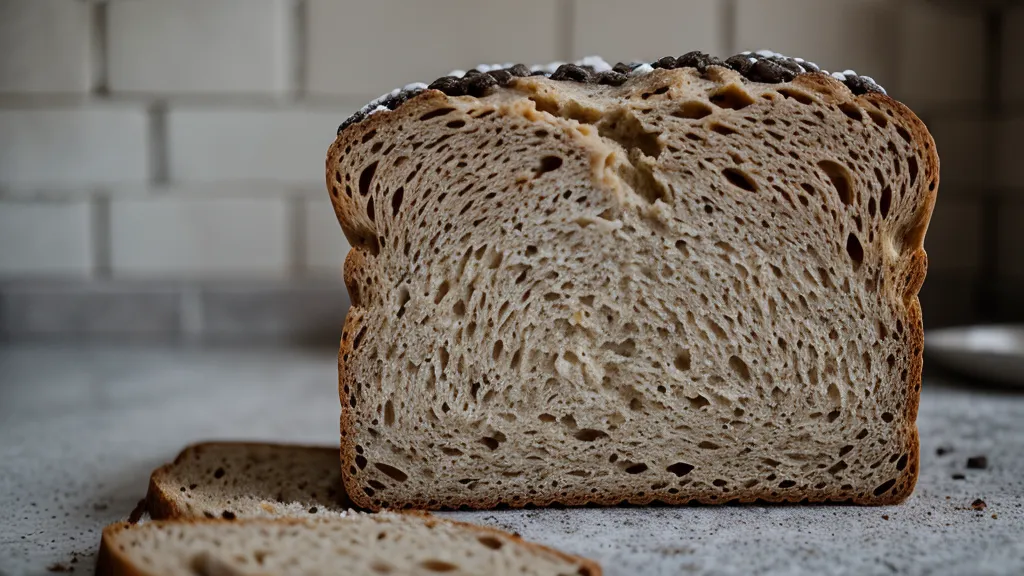
Here is the thing about low-GI baking: gluten is usually what gives bread its structure, but most low-GI flours don't have it. If you want bread that doesn't taste like cardboard, you have to find a way to replicate that 'squish.' In my kitchen lab, I found that a blend is always better than a single flour. Using just one type of flour is usually where the 'cardboard' flavor comes from.
- Almond Flour: This is my backbone. It’s low-GI and high in healthy fats. But use too much, and the bread feels greasy. I usually buy the big bags at Costco to save a few bucks.
- Psyllium Husk Powder: This was my breakthrough. Psyllium is almost entirely fiber, and when it hits water, it becomes gel-like. This is what replaces the 'stretch' of gluten. Without it, your bread will just crumble into dust the second you try to spread butter on it.
- Vital Wheat Gluten: This is controversial in some low-carb circles, but for me, adding a few tablespoons of pure gluten (without the starchy flour) helped the bread actually rise like a normal loaf without the massive sugar spike. It’s about finding a balance that works for your specific glucose levels.
- Flax Meal: Great for fiber, but it has a very distinct 'nutty' taste. I’ve learned to use it sparingly, or everything starts tasting like a birdseed muffin.
I tried a 'keto bread' mix from a local grocery store in mid-January, and honestly? It tasted like a wet sponge. That was the moment I realized that if I wanted bread that tasted like actual food, I was going to have to do the work myself. I’m not a doctor, but I am a woman who refuses to eat sponge for breakfast. I’d rather have no bread at all than a fake version that makes me sad.
The Breakthrough Loaf
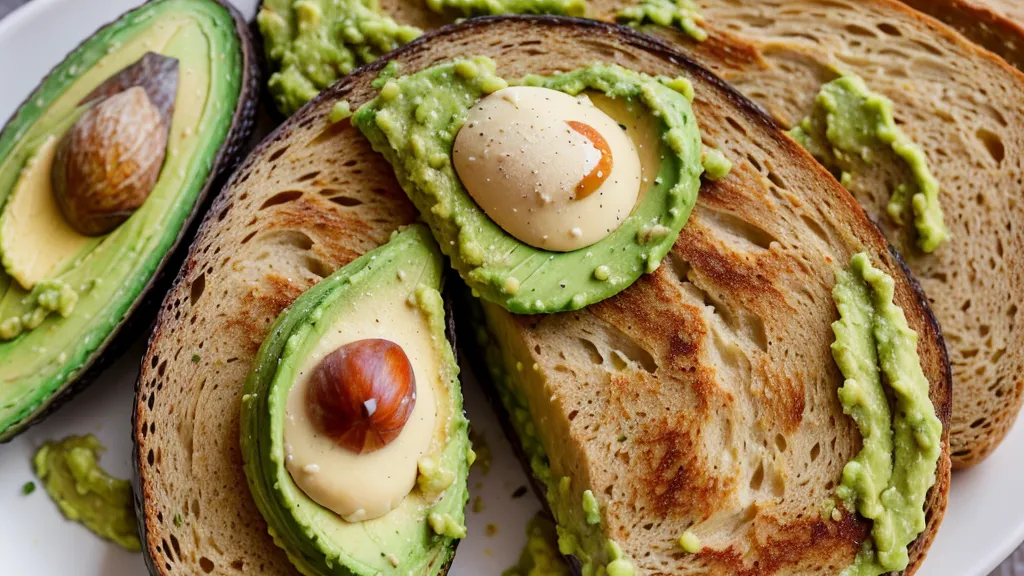
It finally happened around mid-March. I tried a new ratio: more egg whites for structure, a heavy dose of psyllium husk, and a long, slow rise in a warm spot near my dishwasher. When I pulled it out of the oven, it didn't look like a brick. It looked like... bread. It had a crust. It smelled like a bakery, not a health food store. I let it cool—which is the hardest part, because low-GI bread needs that time to set its structure—and then I sliced it. It didn't crumble. It didn't feel like cardboard. I put a little bit of avocado on it, took a bite, and nearly cried again. This time they were happy tears.
Since then, I’ve been a lot more confident. I even started experimenting with other morning staples, like learning how to make low glycemic oatmeal that doesn't send me into a mid-morning slump. It’s all part of the same puzzle—trying to keep the joy of eating while respecting what my blood sugar is telling me. I’ve found that having this bread ready to go is essential for my sanity. Without it, I’m much more likely to grab a bagel at the office, and that's a slippery slope I can't afford to be on anymore.
Practical Tips for Your Own 'Kitchen Lab'
If you're going to try this at home, here are a few things I learned the hard way so you don't have to ruin your own Sunday afternoon. First, sift everything. Almond flour is notoriously lumpy. If you don't sift it, you'll end up with little almond 'bombs' in your bread that ruin the texture. Second, use a digital thermometer. Low-GI flours are heavy. If your water isn't around 105 degrees, the yeast just gives up. It doesn't have the strength to lift all that fiber.
I also swear by a teaspoon of Apple Cider Vinegar. It reacts with the leavening agents to provide a little extra lift. You won't taste it, I promise. And finally, toast it. Even the best low-GI bread is better toasted. The heat helps crisp up the fats in the nut flours and gives it that crunch we all crave. It makes the transition from white sourdough a little less painful.
I’ve had moments where I worried a recipe might still spike me, especially when I was first starting out. I even wrote a little Sugar Defender review because I was looking for anything that might help a low-GI newbie like me stay on level ground while I figured out my baking ratios. It’s all about having a toolkit, whether that's a specific supplement your doctor approves or just a really good loaf of bread in the freezer.
The Identity Shift: Wellness Pro to Patient
It’s still weird to talk about this. In my job, I help design the very wellness screenings that caught my prediabetes. I’m the one sending out emails about 'healthy choices' and 'walking challenges.' For a long time, I felt like a fraud. How could I manage a company's health when I couldn't even manage my own metabolism? But baking this bread has helped me realize that health isn't a pass/fail grade. It’s a series of adjustments. It's about finding a way to live that doesn't feel like a punishment.
Some days, I still want that white sourdough loaf from the bakery down the street so badly it hurts. On those days, I remind myself that my homemade loaf is a choice I'm making for my future self—the one who wants to keep working and living in this beautiful, rainy city for a long time. If you’re struggling with the 'cardboard' phase of your diet, hang in there. It took me months to get a decent sandwich. You aren't failing; you're just in the lab. Keep tweaking the variables. And seriously, check with your doctor before you make massive changes, because what worked for my Seattle kitchen might be different for yours.
We’re all just trying to find a way to have our toast and eat it too. It just takes a little more psyllium husk than we expected.