I was sitting in a high-stakes budget meeting on January 15, 2026, when I felt my eyes literally rolling back into my head. My boss was mid-sentence, discussing "employee engagement strategies" for the next quarter, and all I could think about was how much I wanted to crawl under the conference table for a twenty-minute nap. It was that classic, heavy-limbed exhaustion that hits right around 3:00 PM—the kind where your brain feels like it is made of damp wool.
The irony of it all was thick enough to choke on. Here I am, a 44-year-old HR manager in suburban Seattle, literally overseeing our corporate wellness program, and I was secretly vibrating from a sugar crash. I had a half-eaten granola bar wrapper tucked into my desk drawer like it was contraband. I had spent the first month after my prediabetes diagnosis in total denial, but that afternoon in the budget meeting was a wake-up call. I wasn't just tired; I was failing my own metabolism.
The 175 mg/dL Wake-Up Call
For a long time, I thought I was doing the right thing. I’d grab those "healthy" snacks from the Costco checkout line or the vending machine—pretzels, low-fat yogurt, or those oat-based bars that look like they belong on a hiking trail. But on February 10, 2026, my Continuous Glucose Monitor (CGM) told a different story. About forty-five minutes after eating a "healthy" granola bar, my glucose hit 175 mg/dL.
I watched the graph on my phone spike like a mountain peak. About an hour later, the crash happened. That’s when the physical reality set in—the sudden, cold dampness on my palms and the slight tremor in my fingers when my sugar finally tanked at 4:00 PM. It’s a terrifying feeling, honestly. It’s your body’s way of screaming that it can’t handle the roller coaster you just put it on. I realized then that my "slump" was actually reactive hypoglycemia. My body was overreacting to the sugar spike by pumping out way too much insulin, leaving me stranded in a metabolic valley.
I am not a doctor, and I have zero medical training—I’m just a woman who spent too many years trusting nutrition labels that were designed to sell products, not save my health. Please, if you are feeling these same tremors, talk to your own doctor or a professional. For me, it meant turning my kitchen into a low-GI test lab.
Rebuilding the Afternoon from the Ground Up
The first thing I had to learn was the difference between Glycemic Index (GI) and Glycemic Load (GL). I used to just look at the GI, but GL is what actually matters for my 3 PM survival because it accounts for the portion size. I realized that my "healthy" low-fat yogurt was actually spiking my blood sugar higher than a slice of cake because it was packed with fruit juice concentrates to make up for the lack of fat.
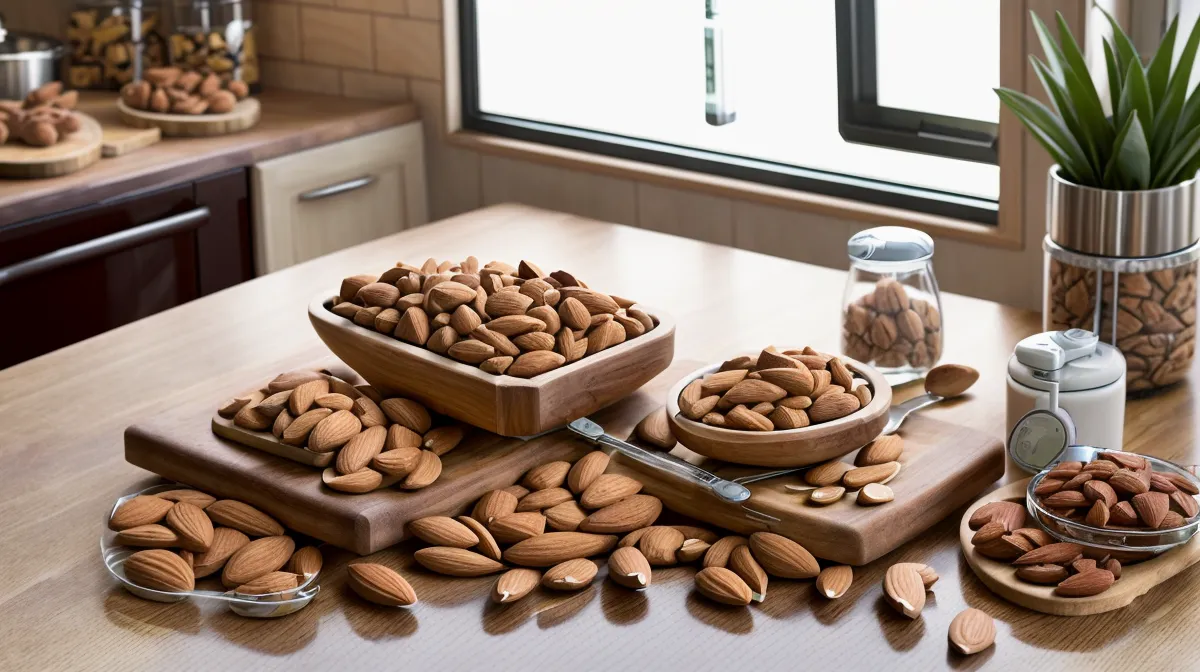
I started experimenting with things that actually kept my insulin response flat. I remember one afternoon in late February, standing in my kitchen looking at a piece of sourdough and thinking, 'You are the most beautiful thing I can't have right now,' before choosing the almonds instead. It sounds dramatic, but when you’ve spent forty years eating whatever you want, choosing a handful of nuts over a slice of crusty bread feels like a minor tragedy. But you know what? The almonds didn't make my palms sweat an hour later.
I also started looking into the "sugar drain" theory. I’d read some interesting things about how certain antioxidants, like the delphinidins found in maqui berries, can support how the kidneys process glucose. While I’m not a scientist, I started prioritizing foods that supported my body’s natural filters rather than just dumping more fuel onto the fire. I even wrote a Sugar Defender review based on how I was trying to navigate all these different supplements as a total newbie to this world.
The 3 PM Water Trick You Haven't Heard Of
Here is the thing that really changed the game for me, and it’s going to sound counterintuitive. Most wellness gurus tell you to "drink more water" the moment you feel tired. I found that doing the opposite right around 2:45 PM actually helped me more. I noticed that if I chugged a large bottle of water immediately before my slump, it seemed to blunt my body's natural cortisol-driven alertness spike.
Our bodies have this natural rhythm where cortisol should rise slightly in the afternoon to keep us going. I found that excessive fluid intake right at that transition point made me feel more "heavy" and lethargic. Now, I make sure I'm hydrated throughout the morning, but I taper off about thirty minutes before my usual slump time. It sounds small, but it was a massive part of how I stopped that 3:00 PM fog from rolling in.
The Quiet Triumph of Stability
By March 20, 2026, I hit a milestone I didn't think was possible. I sat through a three-hour strategy session at work—the kind that usually requires three cups of coffee and a secret stash of Hershey’s Kisses—and I felt... fine. Just steady. I checked my CGM at 3:15 PM and I was sitting at a beautiful 112 mg/dL. That’s a net reduction of 63 mg/dL from my peak during those "granola bar days."
Beyond the numbers, there was a financial win I didn't expect. I used to spend about $3.50 every single day at the office vending machine or the coffee shop downstairs for a bag of pretzels and a diet soda. That adds up to a total monthly savings of around $70.00. That’s seventy bucks I can now spend on the high-quality olive oil and fresh berries from the local market that actually keep my metabolism happy.
It’s not always easy. I still walk past the bakery section at the grocery store and feel a pang of longing for a sourdough loaf. And I’ve definitely had my share of failures—like the time I tried to make "low-GI cookies" that tasted like sweetened drywall. I’ve realized that sometimes, even a healthy smoothie can spike your glucose if you aren't careful about the fiber content.
But the trade-off is worth it. I don't miss the cold sweats. I don't miss the feeling of my brain shutting down while my boss is talking to me. I’ve learned that the standard American diet was slowly breaking my metabolism, but it wasn't a life sentence. It just required me to stop being the "wellness manager" on paper and start being the one in the kitchen, testing, learning, and finally listening to what my body was trying to say through those 3 PM crashes.
If you're just starting this journey, please be patient with yourself. It took me months to figure out that I didn't need a snack or a nap—I just needed a steady, stable metabolism. And maybe a few less glasses of water right before three o'clock. Check with a professional if you’re making big changes, but don't be afraid to turn your own life into a lab. The results might just surprise you.