
If you walked into my kitchen right now, past the stack of mail I’m ignoring and the half-empty bag of roasted chickpeas from Costco, you’d see it. Taped right at eye level on the stainless steel fridge door is a piece of paper. It’s wrinkled at the corners, stained with balsamic vinaigrette, and written in three different colors of Sharpie. It’s my Glycemic Index cheat sheet.
Look, I never thought I’d be the woman with a color-coded food chart on her fridge. I’m an HR manager. I spend my days navigating corporate benefits and wellness screenings. But there is a specific kind of soul-crushing irony in being the person who organizes the company health fair, only to have your own blood work come back with an A1C of 5.7%. That was my 'welcome to the club' moment—the prediabetes threshold. I felt like a total fraud, standing in the breakroom near the fruit bowl I’d ordered for the staff, while privately mourning the bagel I’d had for breakfast.
For the first month after that screening in late 2025, I lived in total, stubborn denial. I told myself it was a fluke. I was stressed! It was raining! (It’s always raining in Seattle.) I kept eating exactly the same way, thinking a few extra walks around the office complex would fix it. It didn’t. By early January, my follow-up numbers came back even worse—my A1C had ticked up to 5.9%. That tiny jump felt like a siren going off in my ears. The panic set in, and that’s when the 'test lab' in my kitchen was born. I realized I didn't need a PhD; I just needed to understand how food was actually hitting my bloodstream.
The 'Budgeting' Secret: Understanding GI vs. GL
When I first started researching, I felt like I was reading a foreign language. Glycemic Index, Glycemic Load, complex carbohydrates—my brain just wanted to shut down. But because I deal with corporate budgets all day, I started thinking about it in terms of money. It was the only way I could make the science stick without crying into my (now forbidden) sourdough.
The Glycemic Index is like how fast you spend your paycheck. High-GI foods are like blowing your entire monthly salary on a designer handbag the second the direct deposit hits. You feel great for ten minutes, and then you’re broke—and hungry—for the rest of the month. Low-GI foods are like a steady, sensible spending plan. You have enough to get through the day, your energy stays level, and you don’t end up in a metabolic deficit by mid-afternoon.
But here’s the thing I learned the hard way: GI isn’t the whole story. There’s also Glycemic Load (GL), which considers the portion size. It’s the difference between spending a hundred bucks on one big thing versus a hundred bucks on fifty tiny things. I had to learn that even 'healthy' things could mess me up if I wasn't careful. It’s been a steep learning curve, and honestly, figuring out why I was crashing after my morning 'health' drinks was a major turning point. I remember thinking fruit was always safe until I realized why my 'healthy' smoothie was spiking my glucose every single morning.
What’s Actually on the Stained Sheet?
I divided my fridge sheet into three zones. I’m not a doctor, and I have zero medical training, so this was just my way of making sense of the chaos. You should definitely talk to your own doctor or a specialist before you overhaul your life, but for me, having these 'zones' took the decision fatigue out of Tuesday night dinners when I’m too tired to think.
The Green Zone (GI under 55)
These are my 'safe' harbors. When I’m tired after a long day of performance reviews and I just want to eat without doing mental math, I stay here.
- Steel-cut oats: Not the instant kind! I learned that the hard way. The instant stuff sent my energy through the floor an hour later.
- Most berries: Blueberries and raspberries are my lifesavers. They satisfy that sweet itch without the A1C panic.
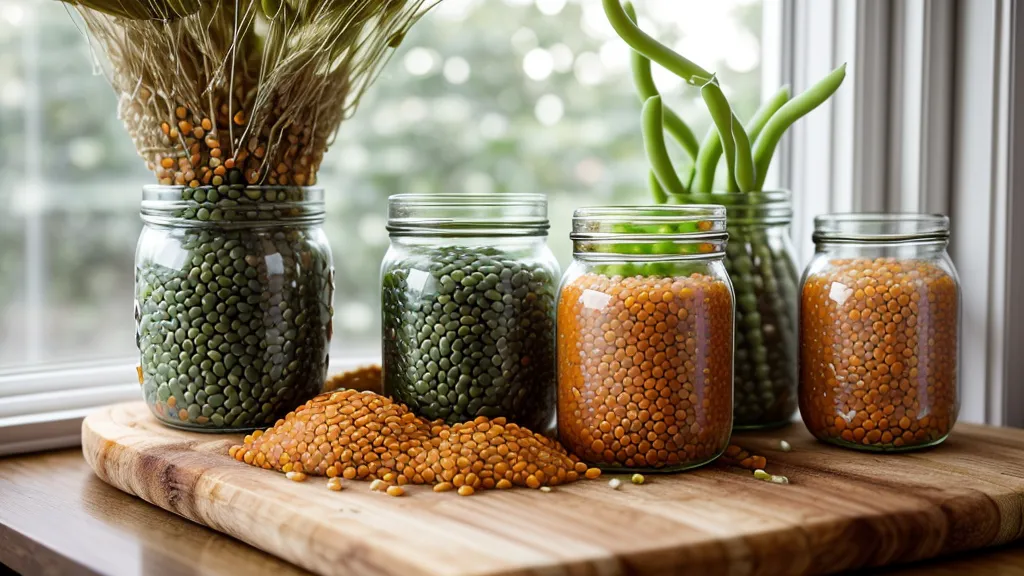
- Chickpeas and Lentils: I buy these in bulk at Costco now. They are the backbone of my lunch prep.
- Barley and Quinoa: My new best friends. They have a chewy texture that almost—*almost*—makes me forget about white rice.
The Yellow Zone (GI 56-69)
This is the 'proceed with caution' area. I usually save these for when I know I’m going to be active. I’ve found that if I time it right, I can handle these better. I actually started a routine where I make sure to start walking after meals to lower glucose spikes, which makes the yellow zone feel a lot less like a gamble.
The Red Zone (GI 70+)
These are the 'emergency only' or 'special occasion' foods. And let's be real—this list broke my heart. It still does.
- White bread and Bagels: My former staples. Now, they are the enemy of my metabolism. I miss them every single day.
- Watermelon: I was shocked this was so high! It feels so healthy, right? But for my body, it’s like a sugar shot.
- Instant mashed potatoes: Basically pure glucose in a bowl. No amount of butter makes these 'safe' for my current numbers.
The Kitchen Lab Failures (and One Big Win)
I’ve had some spectacular failures in this journey. Last month, I tried to make a low-GI 'pizza' using a cauliflower crust I found at a specialty store. It tasted like wet cardboard and despair. I ended up crying over the sink while eating a piece of deli turkey. It’s hard! It’s really, really hard to give up the comforts we’ve leaned on for decades. I'm just a woman in the suburbs trying to keep her blood sugar from redlining; I'm not a professional chef.
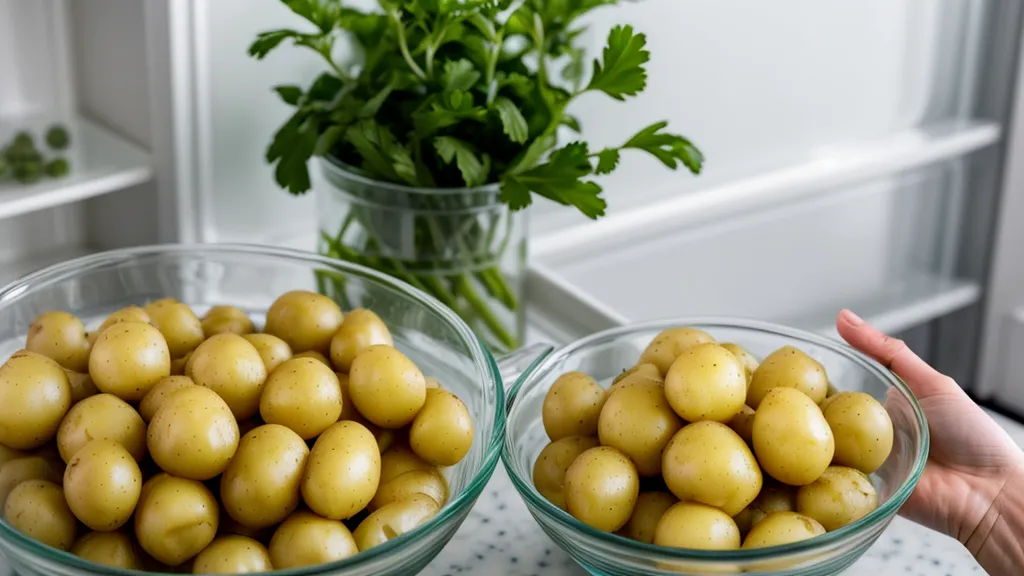
But then, I found small wins. One of the biggest 'aha' moments happened when I started researching starch structures. I discovered that I didn't have to give up potatoes entirely if I was willing to change my process. Learning how to use the cold potato method for resistant starch changed my Sunday meal prep forever. It’s like a little metabolic hack—you cook them, cool them, and suddenly the way your body processes them changes. It’s the kind of 'kitchen lab' victory that keeps me going when I'm staring longingly at the bakery section in Whole Foods.
The Emotional Toll of the Label-Reading Life
I spent forty-four years not caring about what was in my food. Now, I spend twenty minutes in the aisle at Trader Joe's reading the back of a jar of pasta sauce. It’s exhausting. Sometimes I feel like I’ve lost a part of my identity—the 'fun' person who could just grab a slice of cake at the office birthday party without doing mental math about her future.
But then I remember the feeling of that 5.9% number. I remember the fear that my body was breaking and I was just watching it happen. That stained piece of paper on my fridge isn't just a list of foods; it's a boundary. It’s me saying that I’m worth the effort of the extra twenty minutes in the grocery store. It's me deciding that I want to be around for a lot more Seattle summers, even if they are mostly grey and drizzly.
If you’re standing where I was a few months ago, looking at a lab report and feeling like your kitchen is a minefield, just know you aren't alone. It’s okay to miss the white bread. I miss it every single day. But I also like the fact that I don’t crash at 2:00 PM anymore. I like that my hands don’t shake after a high-carb lunch.
Start small. Tape a list to your fridge. Don’t try to be perfect—I’m certainly not. Just try to make one Green Zone choice today. And seriously, check with your own doctor if you’re feeling overwhelmed. We’re all just trying to figure out how to keep our engines running without burning the whole house down.