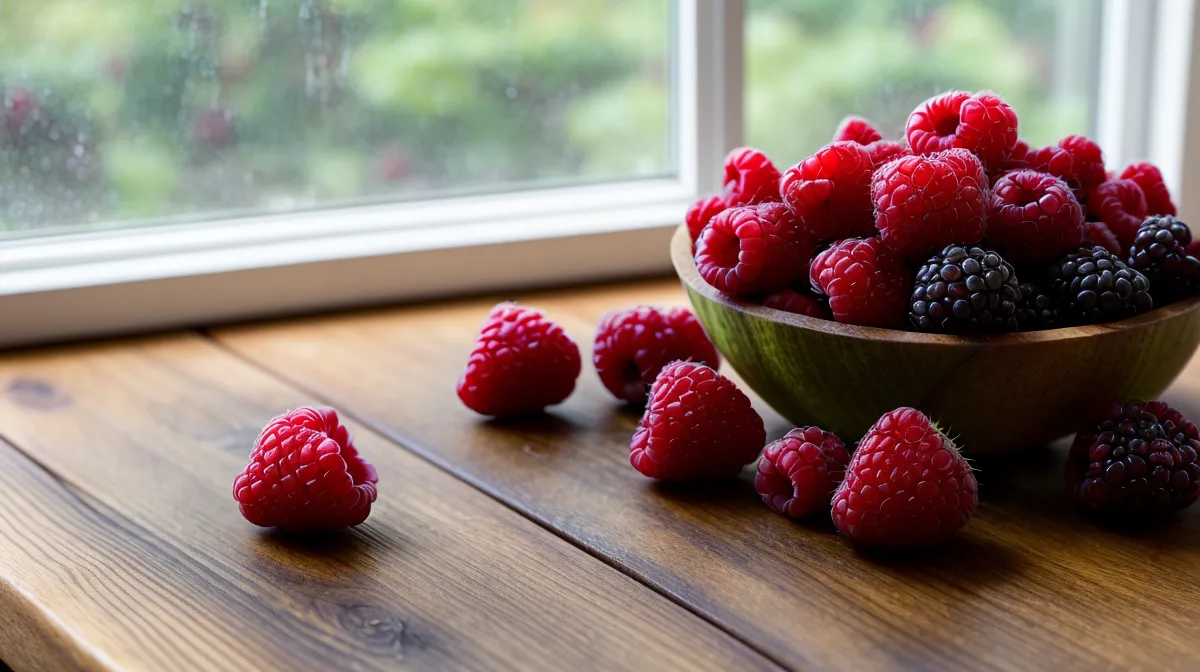
Standing in the produce aisle late one evening last October, I found myself staring at a carton of raspberries like they were unexploded ordnance. It sounds dramatic, I know. But when you’ve just been told your blood sugar is ‘concerning’ and you’re a 44-year-old HR manager who literally spends her days approving wellness brochures for other people, a simple berry can feel like a tiny, red ticking clock. I was paralyzed. Should I buy the organic ones? Are they too sweet? Is this going to make my meter scream at me tomorrow morning?
The irony of my life at that moment was thick enough to choke on. I work in a corporate office in suburban Seattle, surrounded by ‘Health is Wealth’ posters and standing desks. Yet, there I was, hiding a prediabetes diagnosis like it was a scandalous secret. For the first month after that screening, I stayed in total denial. I ate exactly the same way—mostly sourdough from that bakery in Ballard and too many lattes—and then I panicked when my follow-up numbers came back even worse. That was my wake-up call. I realized the standard American diet wasn't just a suggestion; for me, it was actively breaking my metabolism.
The Irony of the Wellness Professional
Look, I’m not a dietitian or some polished health coach with a perfect kitchen. I’m just a woman who had to turn her kitchen into a low-GI test lab because the alternative was too scary to contemplate. One of the hardest things was the shift in identity. I went from being the person who ‘didn’t have time to cook’ to the person who reads every single nutrition label at the Fred Meyer on my way home from work. It’s frustrating, and honestly, sometimes it’s just plain exhausting. I still miss white bread more than I will ever admit publicly—there’s a specific smell of a fresh baguette that still makes me want to cry a little.
During those early days, the office felt like a minefield. I remember sitting at my desk in the HR suite, surrounded by those glossy wellness brochures we hand out during open enrollment. I had to sneak a finger-prick test between meetings. The sharp, metallic tang of that test—the literal smell of the lancet and the tiny drop of blood—while I was looking at a flyer about 'Living Your Best Life' was a peak moment of cognitive dissonance. My fingers were sore, my ego was bruised, and I was terrified of fruit. Yes, fruit. The thing everyone tells you is healthy was suddenly my biggest source of anxiety.
Understanding the Blood Sugar Drain
Everything changed the week after New Year’s when I stopped focusing solely on what I was putting *into* my body and started looking at how my body was getting rid of the excess. I’m not a doctor, so please talk to your own professional before changing your routine, but I started diving into the concept of the 'Blood Sugar Drain.' I learned that our kidneys play a massive role in this. Did you know that your kidneys filter about 180 liters of blood every single day? That is a staggering amount of fluid moving through your system, trying to keep things balanced.
The problem I was having—and maybe you are too—is that sometimes that 'drain' gets clogged. In my research for my kitchen lab, I came across the idea that certain nutrients can help keep that drainage system flowing. This is where I first started looking into GlucoBerry. It wasn’t about a magic pill; it was about supporting the kidneys so they could actually do the job of flushing out that extra glucose. I started learning about Maqui berry extract and these things called delphinidins. It turns out, supporting the drainage system can make a huge difference in how your body handles the sugar in, say, a handful of blueberries.
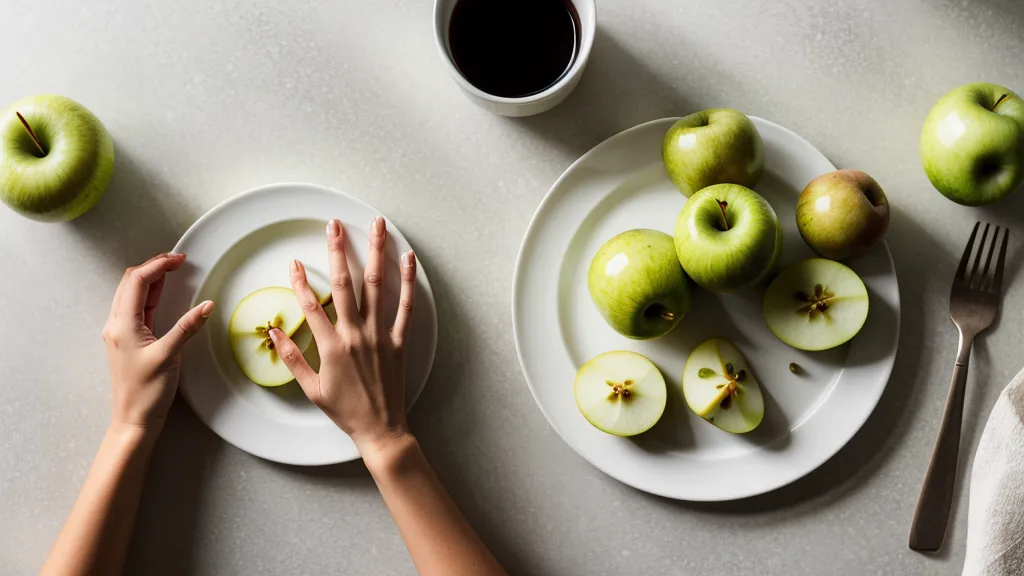
Earlier this spring, I decided to stop being afraid of the produce section. I realized that fruit isn't the enemy if you understand two things: the Glycemic Index (GI) and how to support your body’s natural filtration. I set a rule in my kitchen lab: anything I ate had to stay below the low Glycemic Index threshold of 55. For reference, a raw apple has a Glycemic Index of about 39, which makes it a fantastic candidate for a snack, provided you don't eat it in a vacuum.
The Solo Fruit Trap: A Dissenting Opinion
Here is the thing that most generic health guides won't tell you, and it’s something I learned through a lot of trial and error (and a few very sleepy afternoons). Focusing solely on low-glycemic fruit scores is actually a bit misleading. Why? Because the specific fiber-to-sugar ratio of a fruit changes drastically when it is consumed as a solo snack versus post-meal. I used to think a bowl of grapes was a 'healthy' mid-afternoon snack. It wasn't. The heavy-lidded, foggy exhaustion that used to settle in shortly after eating a supposedly healthy tropical fruit salad was my body telling me I’d just sent it on a roller coaster ride it didn't want to be on.
In my experience, eating fruit by itself is often a recipe for a spike, even if the GI is technically low. I started experimenting with 'pairing.' If I wanted that apple (GI 39), I’d pair it with a spoonful of almond butter or some walnuts. The fat and protein slow down the absorption even further. I also found that how I started using apple cider vinegar to lower post-meal glucose really helped when I knew I was going to have a slightly higher-carb fruit like a pear.
I also realized that the *timing* of the fruit mattered more than the fruit itself. I stopped eating fruit as a standalone snack and started eating it as a 'dessert' immediately following a protein-heavy lunch. This was a game changer for my energy levels. It’s actually one of the ways how I finally beat the 3 PM slump that used to make me want to face-plant onto my keyboard by mid-afternoon.
My Top Low-GI Fruit Picks for the Kitchen Lab
After months of testing, I’ve narrowed down my 'safe' list. These are the fruits that don't make my internal 'drain' feel like it's overflowing. If you’re just starting out, these are the ones I’d recommend looking for at the grocery store. But again, everyone’s metabolism is a little different, so check with your doctor and maybe even get a cheap glucometer to see how you specifically react.
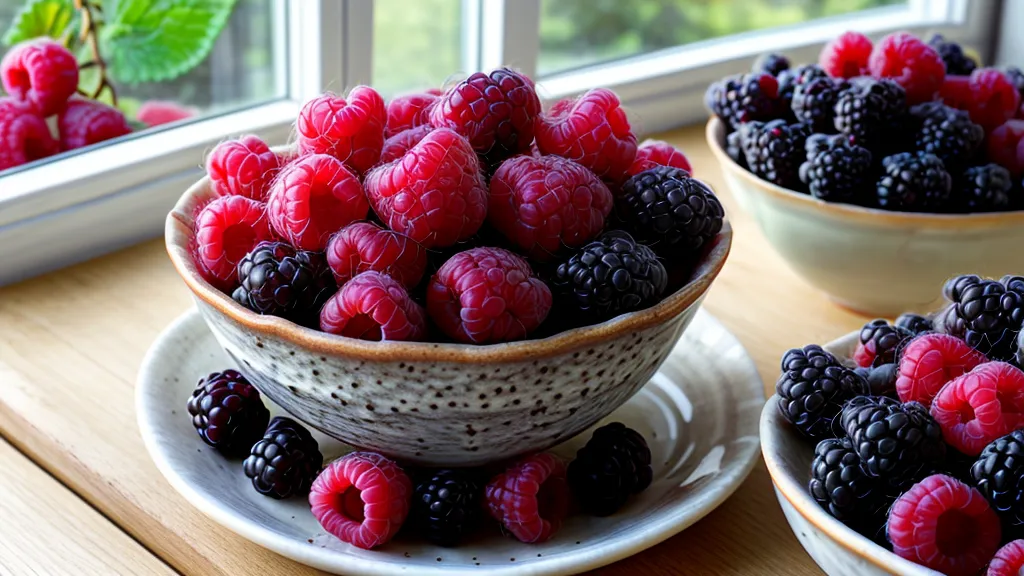
- Raspberries and Blackberries: These are the gold standard in my kitchen. They are packed with fiber, which slows everything down. They have a very low glycemic load.
- Green Apples: Specifically Granny Smith. They tend to be lower in sugar than the honeycrisps we all love. I find they are great when I’m craving something crunchy.
- Strawberries: These were a surprise to me. You can eat a decent amount of them without hitting that 55 GI threshold. Plus, they feel like a treat.
- Grapefruit: I know, it’s an acquired taste. But a little bit of grapefruit in the morning (if it doesn't interfere with your medications—check that first!) is very low-GI.
One thing that absolutely did NOT work for me? Dried fruit. I thought dried apricots would be a healthy snack to keep in my desk drawer. Big mistake. Removing the water concentrates the sugar, and my blood sugar numbers went through the roof. It was like a concentrated sugar bomb that my kidneys just couldn't keep up with. I felt terrible for two days. Lesson learned: keep it fresh, keep it whole.
Rebuilding the Relationship with Food
One rainy afternoon in May, I sat in my kitchen with a bowl of fresh berries and a sense of peace that I hadn't felt since my diagnosis. I wasn't tracking, I wasn't panicking, and I wasn't feeling that heavy-lidded fog. I had finally found a rhythm. I was supporting my 'Blood Sugar Drain' with GlucoBerry, I was pairing my fruits with healthy fats, and I was respecting the GI numbers without letting them rule my life with fear.
It’s a weird thing to say, but prediabetes forced me to actually pay attention to my body for the first time in my 40s. I spent so many years on autopilot, grabbing whatever was in the breakroom or finishing my kid's leftovers. Now, every meal is a choice. It’s not always an easy choice—I still have to talk myself out of the donut box during morning meetings—but it’s an informed one. I’ve realized that my metabolism isn't 'broken' beyond repair; it just needs a different kind of support than it used to.
If you're struggling with the same diagnosis, just know that the produce aisle doesn't have to be a scary place. Start small. Pick one fruit, pair it with some protein or fat, and see how you feel. And if you’re curious about the supplement side of things, you can read my honest take on GlucoBerry after months of living this way to see if that kidney-support approach might fit into your own 'kitchen lab' routine. It’s all about finding the tools that work for your specific body and your specific life.
I’m still the HR manager who approves the wellness brochures, but now, I actually believe the stuff I’m reading. Well, most of it. I still think the 'everything in moderation' advice is a bit of a cop-out when your metabolism is struggling, but hey, we’re all just doing our best. Now, if you'll excuse me, I have some green apples and almond butter calling my name, and for the first time in a long time, I'm actually looking forward to my snack.