
A single cup of cooked lentils packs more fiber than three slices of white bread combined. That fact sat in my head for months before it changed anything on my actual plate. Building a prediabetes lifestyle around low-glycemic eating turned out to be less about willpower and more about one boring nutrient nobody brags about at dinner parties: fiber. Its benefits show up quietly: steadier energy, fewer afternoon crashes, numbers that finally stopped climbing. Somewhere in there, metabolic health stopped being a phrase on a lab report and started being something I could actually feel.
Here is the thing about telling people you're prediabetic: they start asking questions. Real ones, not polite ones. What actually works. What was a waste of time. Whether this is forever. I've answered versions of the same handful of questions enough times now that laying them out here made more sense than telling the whole thing as one long story.
Does Fiber Actually Move the Needle?
Yes, more than I expected, and for reasons that have nothing to do with willpower. Fiber changes how quickly a meal turns into blood sugar, full stop. The broader concept sits under something called Glycemic Index, which ranks how fast different foods raise your blood sugar, with a cousin measure called Glycemic Load that factors in portion size too. I won't turn this into a lecture, there's a reason people's eyes glaze over the second math enters a food conversation. What matters practically is that a fiber-heavy plate pulls those numbers down without you doing anything clever. If you want the version of me that was still panicking before any of this had clicked, I wrote about that stretch in The HR Manager's Guide to the Prediabetes Panic.
Buying My Way Out Didn't Work
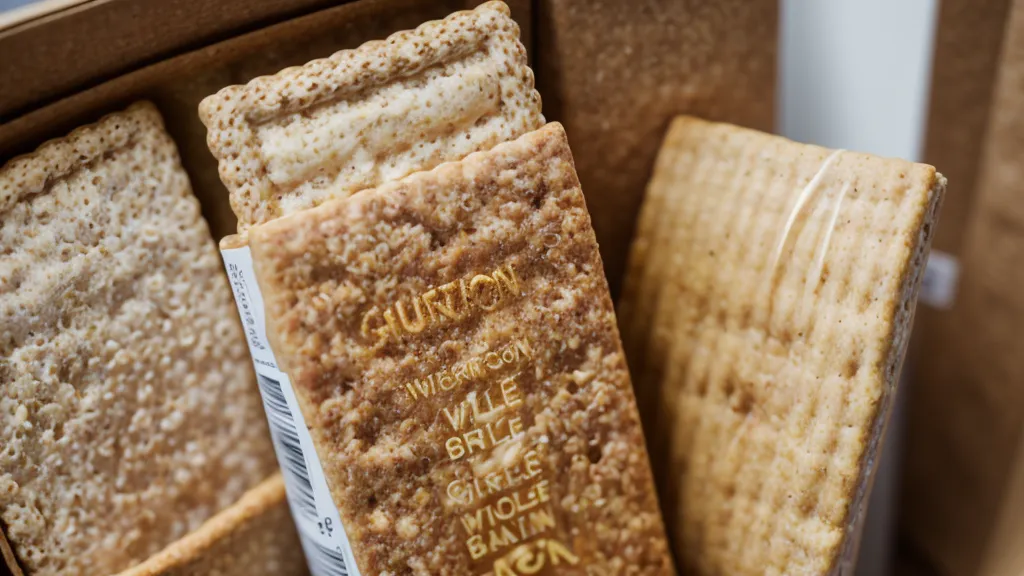
Buying my way out of this felt like the obvious shortcut, so I tried it twice. First came a meal-kit subscription built specifically for people managing blood sugar: glossy packaging, a nutrition label on every box, meals that all tasted like a cardboard box pretending to be dinner. I canceled before the second shipment even arrived.
Then came the powder. Scoop it into water, chase it with whatever I was already eating, call it fixed. It never sat right with me long-term, and I did better going back to whole foods instead: beans, oats, vegetables, the actual sources of dietary fiber rather than a jar of it. I got into the specifics of that whole misadventure, powders and all, in Beyond the Panic: How I Navigated the Supplement Aisle and Found What Actually Works for My Low-GI Life, if you want the longer version.
The Meals That Still Wrecked My Afternoons
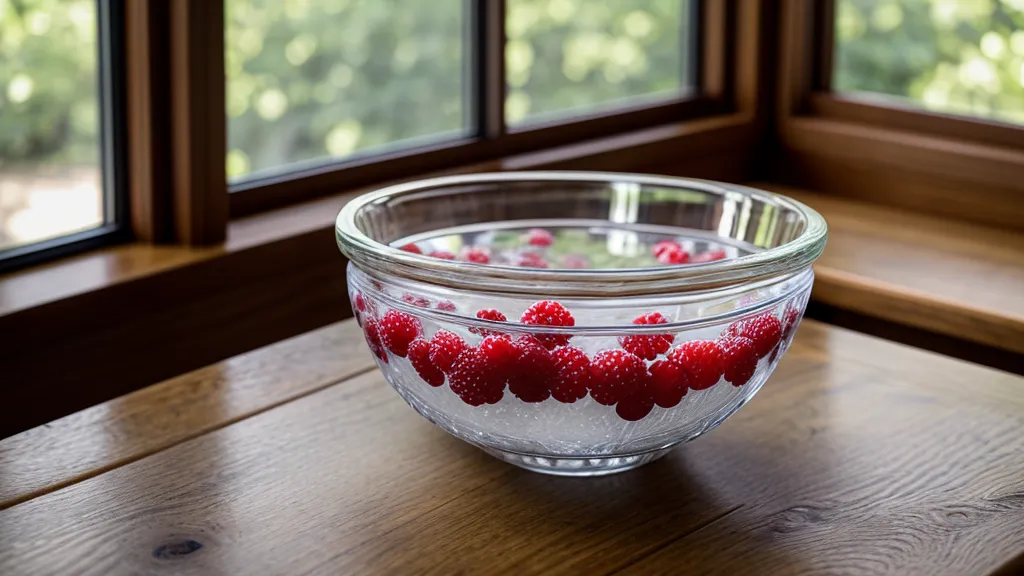
Not every meal that looked responsible behaved like one. A smoothie loaded with fruit and no protein could send my energy up fast and drop it just as fast, the kind of glucose spike that hides inside foods marketed as health food. Some of those afternoon crashes have a name, reactive hypoglycemia, and once I had the label for it, pairing carbs with protein mattered more to me than which specific carb I'd chosen.
Building a Low-Glycemic Habit, One Plate at a Time
Some of the best changes were almost too small to mention. Cooling cooked rice or potatoes overnight is one of the easiest resistant-starch tricks going, and I lean on it more than almost anything else in my kitchen now. There's a particular smell that means dinner is about to be good instead of just responsible: cauliflower rice roasted just a shade past golden, the edges gone faintly caramelized. Small swaps like that, one starchy side traded for a lower-GI stand-in, add up faster than any single big overhaul does. My friend Noel, someone I've known since college who now lives in Bellevue, meets me most weekends. We walk the Mercer Island waterfront trail before the farmers market opens, and she always wants to see my glucometer log before she'll believe any of it is working.
My Family Isn't Doing This With Me, and That's Fine
My household did not sign up for this diagnosis, and most nights they still want the dinner they've always had. Amara Sekibo, someone I met at a nutrition talk at the Kirkland library and still trade notes with, deals with the same tension from the opposite direction: she's the one trying to cook low-GI for a family that has zero interest in giving up regular pasta. What's worked for both of us is cooking one base meal and adjusting our own plates at the edges (extra lentils stirred into my portion of the sauce, a side of greens instead of more bread) rather than negotiating a separate menu every single night.
Is This Really 'Boring Magic,' or Just Marketing?
Boring is the right word for it, honestly. There's no dramatic before-and-after here, just a stack of unglamorous plates that quietly did their job. The clearest proof shows up in moments I don't even notice anymore. The candy dish by the front desk at work used to pull my attention every single afternoon, and now I'll walk past it mid-conversation and not register it's there until someone else reaches for a piece. If you're standing where I was, staring at a plate and wondering if any of this actually matters, start with whatever fiber source you'll actually eat again tomorrow, not the one that sounds most impressive. Consistency with something boring beats perfection with something you'll quit in a week.